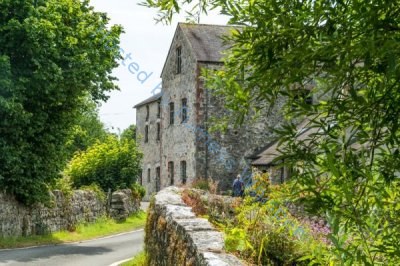
Tucked into the lush, rolling countryside of South Cumbria, Gleaston Water Mill Cumbria stands as a stoic guardian of Britain’s rural heritage. Its weathered stone walls, cloaked in ivy and patched with lichen, rise from the banks of Gleaston Beck, where the air hums with the murmur of flowing water and the earthy scent of damp moss. For history enthusiasts and wanderers alike, this centuries-old mill offers not just a lesson in engineering, but a sensory voyage into the past—a place where time is measured in the creak of timber, the grit of stone, and the whispers of those who once toiled here.
Gleaston Water Mill: Gears, Grinds, and a Splash of History!
7 April 2024
Medieval Foundations: Power, Grain, and Feudal Lords
The mill’s story begins in the 14th century, amid the clatter of swords and the rustle of feudal parchment. The Harrington family, rulers of nearby Gleaston Castle, established the original mill to grind grain for their fortress and tenant farmers. Peasants, compelled to use the lord’s mill under feudal law, would have trudged here along muddy paths, their carts laden with sacks of barley and oats. Today, the mill’s oldest stones—jagged, moss-flecked fragments possibly salvaged from Furness Abbey after its 1537 dissolution—still bear the chisel marks of medieval masons. Run a hand over their cold, uneven surfaces, and you might feel the ghostly imprint of a world shaped by piety and pragmatism.
The Georgian Rebuild: A Symphony of Timber and Water
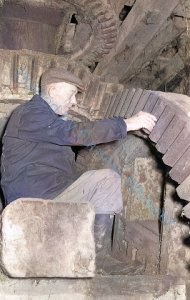
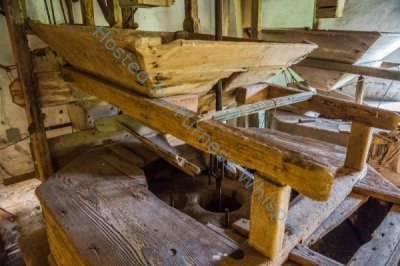
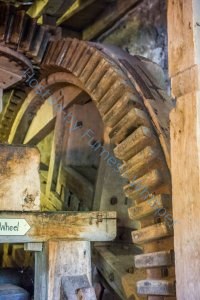
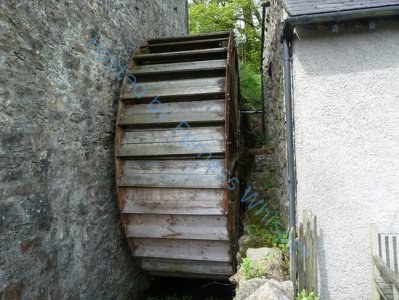
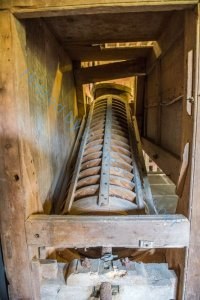
By 1774, the mill had been reborn. The rebuilt structure hummed with the energy of Georgian ingenuity, its massive oak waterwheel—18 feet in diameter—driven by the relentless flow of Gleaston Beck. Step inside, and the air thickens with the resinous aroma of aged timber and the faint metallic tang of iron fittings. Above, sunlight filters through dusty windows, catching motes of flour suspended in the air like forgotten memories. The heart of the mill lies in its gears: interlocking teeth of oak, worn smooth by centuries of use, their rhythmic clunk-clatter echoing like a heartbeat. Press your palm to the grooved surface of the millstones, cool and gritty to the touch, and imagine the heat of friction as they ground grain into flour, their relentless spin a testament to survival.
The Miller’s Art: Skill, Sweat, and Survival
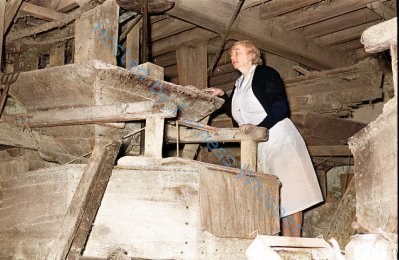
Milling was no simple task. It demanded a blend of strength, precision, and intuition. The miller, his hands calloused and forearms streaked with flour, balanced water flow via sluice gates, his ears attuned to the wheel’s cadence. Too much force, and the stones would overheat, scorching the flour; too little, and the grind faltered. The scent of fresh-ground grain—nutty and warm—would have mingled with the damp, mineral-rich odour of the beck outside. In lean years, the mill’s survival meant the difference between harvest feasts and famine, its sacks of flour and animal feed lifelines woven into the fabric of rural life.
Twilight and Revival: The 20th-Century Rescue
The Industrial Revolution heralded the mill’s decline. By 1920, the wheel stilled, its paddles rotting into the silt. For decades, the building languished, its roof sagging under the weight of neglect, owls nesting in the rafters. Yet in 1978, hope arrived with the Gleaston Water Mill Trust. Volunteers, their hands stained with linseed oil and rust, relit the forge to recast iron fittings and replaced rotten timbers with freshly cut oak, its sap-rich scent sharp against the mill’s musty air. Today, the waterwheel turns once more during demonstrations, its splashes mingling with the chatter of visitors, while the roof—reclad in rain-glossed Cumbrian slate—glistens like armour against the elements.
Visiting Today: A Living Chronicle
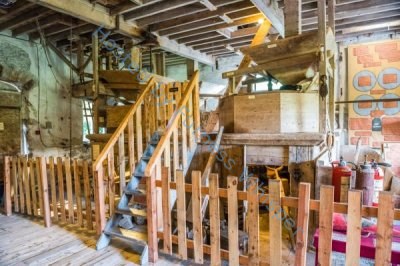
Now a Grade II listed building, the mill bridges past and present. Wander its three creaking floors, where the leat—a grassy channel dug centuries ago—still funnels water to the wheel. Climb the narrow staircase, its stone steps worn concave by generations of millers, and pause in the storeroom. Here, the air is heavy with the musk of ancient grain sacks and the faint, sweet decay of timber. Outside, the beck murmurs past, its waters frothing over rocks as they did when Tudor tax collectors clashed with defiant millers.
Why Gleaston Endures
This is no sterile relic. At Gleaston, history is felt: in the vibration of gears beneath your fingertips, the chill of medieval stone against your palm, the thunder of millstones during demonstrations. It speaks of resilience—how communities harnessed nature’s power long before fossil fuels—and of fragility, as progress nearly erased their labour. Yet the mill’s survival, against all odds, is a quiet triumph. It reminds us that the past is not distant, but layered into the grain of the present, waiting to be touched, heard, and remembered.
Plan Your Visit:
When: Open April–September; arrive early to savour the mist-cloaked tranquillity.
Don’t Miss: Milling demonstrations—the roar of stones and the warm, earthy fragrance of fresh-ground flour.
100%