Greenodd industrial history begins in the mists of the Leven Estuary, where Norse settlers once named the “green headland” Grœnn oddr. Though no structures survive, echoes of their legacy live on in nearby names like Ulverston and Haverthwaite—reminders of a Scandinavian past that shaped the village’s origins and identity.
Part 1: Greenodd: From Viking Haven to Pirate Paradise
1 April 2024
Imagine a time when mists, cold and dense, swirled like phantoms across the Leven Estuary, their tendrils clinging to the emerald slopes of a promontory known as ‘Greenodd’. This evocative name, with its roots in the Old Norse language (Grœnn oddr, meaning “green headland”), speaks of a land shaped by Norse settlers who likely navigated these waters between the 9th and 11th centuries. Though no physical remnants of their settlements survive, their legacy lingers in nearby place names: Ulverston (derived from Ulfr’s tūn, or “Ulfr’s farmstead”) and Haverthwaite (*Hafr’s clearing”), echoes of a Scandinavian past woven into Greenodd industrial history.
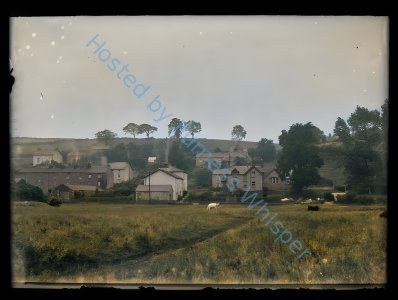
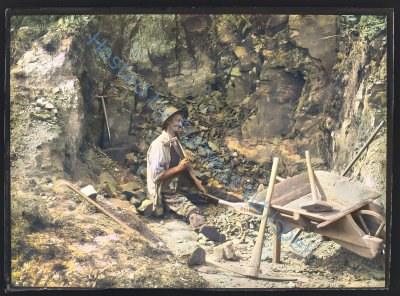
By the late 18th and early 19th centuries, Greenodd industrial history had entered a new chapter. Gone was the quiet solitude, replaced by the cacophony of a thriving port, a vital cog in the trading network of the region. As a creek-port of Lancaster, its wharves bustled with activity, servicing vessels that bypassed Lancaster’s shallow River Lune for the deeper channels of the Leven. The port’s rise paralleled Furness’s industrial boom, driven by the region’s rich deposits of copper, slate, and iron ore—resources that fuelled Britain’s colonial and industrial ambitions.
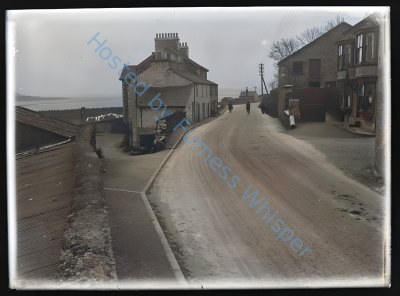
Imagine the creak and groan of timber as ships, some weighing up to 200 tons, were pulled alongside the quays. The air, thick with the scent of tar and brine, mingled with the sweet, almost cloying aroma of sugarcane arriving from distant shores—a commodity tied to Lancaster’s notorious transatlantic slave trade, though Greenodd’s direct role remains unrecorded. Bales of raw cotton, soft as a summer cloud but flecked with the red soil of American plantations, were piled high on the wharves, their rough fibres scratching against the hands of those who unloaded them. Coal from Cumberland’s pits, gritty and sulphurous, arrived by barge, destined for the furnaces of Backbarrow’s ironworks and the lime kilns dotting the estuary—each playing a part in Greenodd industrial history.
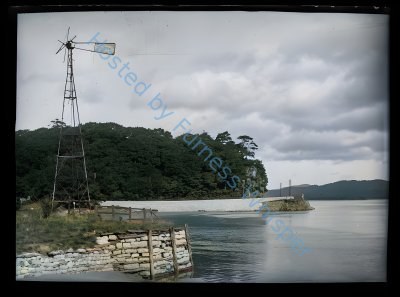
But Greenodd wasn’t just a receiver of riches; it was a generous giver too. The rhythmic clang of pickaxes against rock echoed through the valleys, a metallic counterpoint to the cries of the gulls, as miners toiled in the cold, damp depths of the earth, extracting veins of copper ore from the Coniston mines, owned by the powerful Montagu family. These shimmering green-blue rocks, transported by packhorse to smelters in Hawkshead, were destined for the fiery furnaces of Coniston and beyond. Strong, white limestone, quarried just outside the village, stood in stark contrast to the green bounty, its rough-hewn blocks, cold and sharp to the touch, loaded onto ships, ready to form the foundations of distant cities. Much of this stone fortified Liverpool’s docks, its pale hue still visible in the Albert Dock’s weathered walls. Even gunpowder, a dangerous but essential commodity, was shipped from the nearby settlement of Backbarrow, its acrid smell—a mix of saltpetre, charcoal, and sulphur—adding a pungent note to the harbour’s symphony of scents. These materials and movements were all threads in the fabric of Greenodd industrial history.
The village itself thrummed with the energy of a hive. The rhythmic clang of hammers shaping glowing iron into anchors and chains, forged in Low Wood’s furnaces; the screech of saws biting into green timber for sturdy hulls; the creak of ropes and pulleys hoisting heavy sails; and the shouts of sailors in languages from across the globe—Welsh colliers, Cornish tin traders, and Irish linen merchants—created a babel of voices echoing across the water. Skilled shipwrights, their hands roughened and calloused by years of labour, constructed a variety of vessels, from sturdy sloops with their salt-encrusted decks to elegant schooners with their varnished masts gleaming in the sun, and barges laden with cargo, each one ready to face the crashing waves and icy winds of the open sea. These workers and their crafts were the lifeblood of Greenodd industrial history.
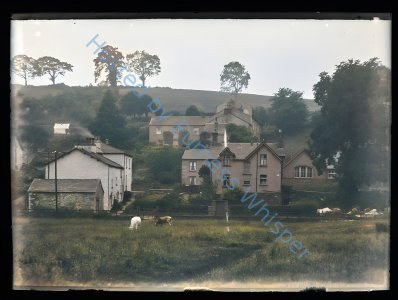
Today, the quiet village still carries the spirit of Greenodd industrial history, echoing in its stones, stories, and shoreline.
#Greenodd #VikingHistory #PirateParadise #CumbrianTreasures
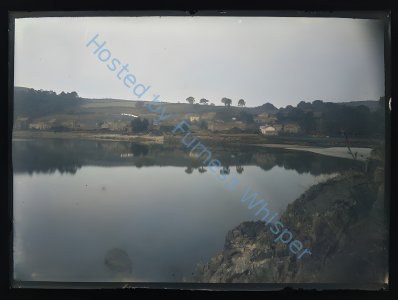
A huge thank you to Cumbria Archives for providing the captivating photos used in this blog post and for their dedication to preserving Cumbria’s heritage. With their kind permission, these images help bring the story of Greenodd to life. Image courtesy of Cumbria Archives #CumbriaArchivesPhotos #cumbriahistory
100%