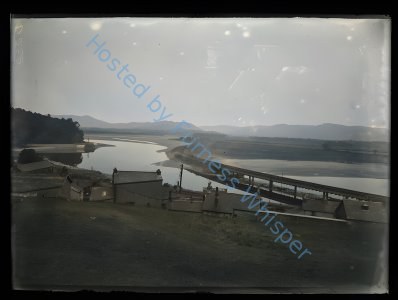
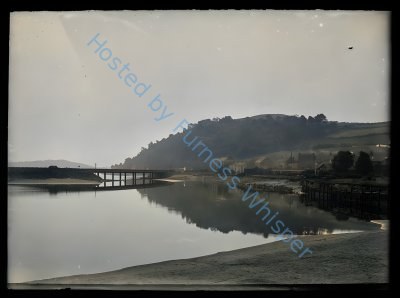
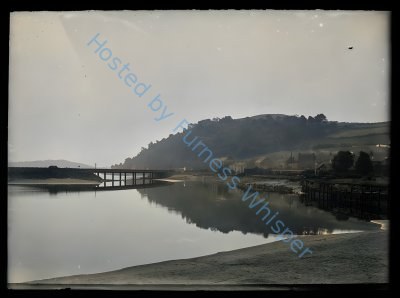
Greenodd, Cumbria, is a village shaped by tides, trade, and time. Like the tide that ebbs and flows in the Leven Estuary, bringing with it the salty tang of the sea and the scent of seaweed drying on the shore, Greenodd is ever-changing. Greenodd 20th century history reflects this constant transformation. The 20th century brought new challenges to this once-thriving port. The once-peaceful lanes of Greenodd, where the rivers Crake and Leven meet, their waters swirling and churning as they merge, were choked with a snarling serpent of traffic. The A590, constructed in the 1930s as part of a push to modernise Cumbria’s transport links, became a bottleneck by the 1960s, its narrow lanes overwhelmed by lorries hauling nuclear components to Sellafield and tourists flocking to the Lake District.
Part 2: Greenodd: The Tides of Time But time
1 April 2024
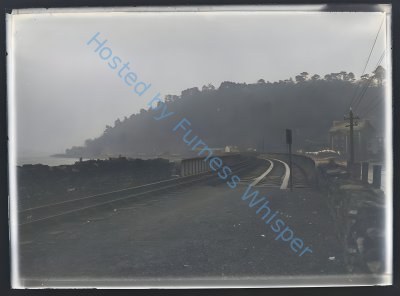
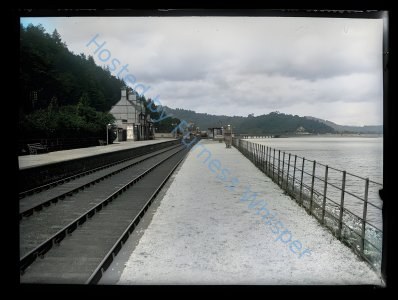
The air, once filled with the cries of gulls and the rhythmic clang of the shipyard, was now thick with the stench of exhaust fumes, the constant drone of engines drowning out the birdsong and the gentle lapping of waves against the harbour wall. In the 1960s, the railway station, once a bustling stop on the Lakeside branch of the Furness Railway, fell silent. This line, opened in 1869 to ferry haematite iron ore from Furness to mainland foundries, had become redundant as roads replaced rails. Where once the air vibrated with the hiss of steam engines and the clatter of passengers disembarking for Ulverston and beyond, the metallic scent of coal smoke mingling with the smell of damp wool and leather, now only the ghosts of journeys past lingered on the windswept platform, the silence broken only by the mournful cry of a distant train whistle. The closure of the line in 1965 marked a turning point in Greenodd 20th century history, severing a vital link and further isolating the village.
The construction of the A590 bypass in the 1980s offered some respite, diverting the thundering flow of traffic and restoring a measure of peace to Greenodd. The bypass, part of a broader post-war effort to ease congestion in rural towns, redirected lorries and cars inland, allowing the village to exhale. The sounds of nature – the rustling of leaves in the wind, the babble of the river, the calls of birds – could once again be heard. The village, once a bustling commercial centre, gradually transformed into the quiet haven it is today. Greenodd 20th century history can be seen in this transition. Abandoned warehouses became holiday cottages; the old smithy, its anvil cold, now houses a café serving Cumberland sausage and sticky toffee pudding.
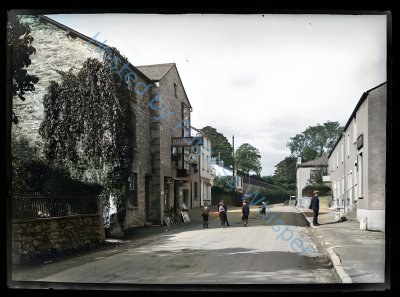
Today, Greenodd stands as a living storybook. Though the grand port and shipbuilding days might be whispers on the wind, their echoes linger in the weathered faces of the old fishermen, their hands gnarled and tanned by years of hauling nets and battling the elements, as they mend their nets by the quay, the salty spray stinging their faces. These echoes live on in the stories passed down through generations, tales of daring voyages, of fortunes made and lost, of lives lived and loved in this small corner of the world. The ghost of the Island Maid, a Greenodd-built schooner lost off the Irish Coast in 1892, is said to materialise in the estuary fog, her sails tattered and crew silent.
Greenodd 20th century history is a story of endurance and evolution. Greenodd’s journey, from a promontory with a name rooted in Norse language to a bustling port and finally to a peaceful village, is a captivating tale etched in the very soul of this place. Despite the changing tides, Greenodd’s spirit of resilience and its rich history continue to captivate visitors and residents alike. Even now, when the moon hangs low over the Leven, locals swear they can hear the faint clang of shipwrights’ hammers—a spectral reminder of the village’s indomitable past.
#Greenodd #EvolvingVillage #CumbrianLife
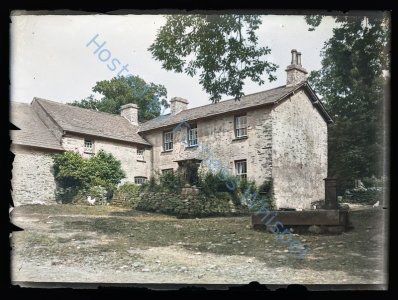
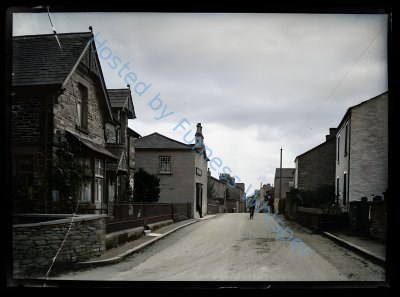
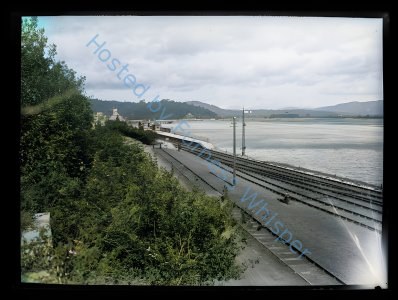
A huge thank you to Cumbria Archives for providing the captivating photos used in this blog post and for their dedication to preserving Cumbria’s heritage. With their kind permission, these images help bring the story of Greenodd to life. Image courtesy of Cumbria Archives #CumbriaArchivesPhotos #cumbriahistory