This blog post takes a heartfelt turn thanks to our reader, Jack Johnson. While digging into his family tree, Jack discovered that his great-grandfather, Richard Johnson, tragically died in the Lindal Moor Diamond Pit—a mining accident that not only left a lasting scar on his family but also forms part of Furness’s often-overlooked industrial history.
Remembering Richard Johnson’s Legacy
3 April 2024
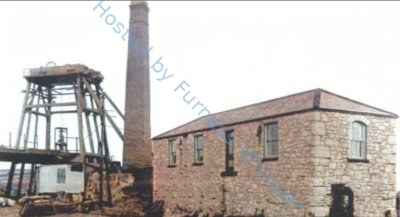
Nestled amidst the rugged landscape of Furness, Cumbria, the Lindal Moor Diamond Pit, despite its sparkling name, was all about iron ore. Operated by Harrison Ainslie & Company, it was located within the Muncaster Royalty, south of Whinfield and east of the current Lindal Cricket Club. In the late 1800s, this bustling site served as the main water-pumping pit in the Royalty, plunging to an impressive depth of 612 feet. Imagine the challenge of keeping such a mine dry back then! (Fun fact: the pumping system was electrified in 1907 – a big leap in mining tech.)
Richard Johnson Tragic Death at Lindal Moor Diamond Pit
This post takes a poignant turn, thanks to Jack Johnson, who shared the remarkable story of his great-grandfather, Richard Johnson. Richard tragically died in the Lindal Moor Diamond Pit in 1886. He was just 36 years old when a huge chunk of falling iron ore struck and killed him. He wasn’t the only victim that day—another miner also lost his life, casting a sombre shadow over the mine’s history.
Sadly, Richard’s death wasn’t unique. Life in the mines was fraught with danger. One particularly harrowing account describes the death of Thomas Walker:
“About seven o’clock, Thomas Walker, aged 62, and his son entered the cage to descend into the Diamond Pit. The shaft, nearly 200 yards deep, stopped 20 yards from the bottom. Walker told his son to go ahead. The others assumed he would follow—but he didn’t. He was later found dead at the bottom of the shaft.”
These stories serve as a powerful reminder of the risks miners faced daily.
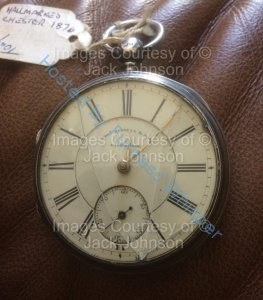
Richard Johnson Legacy in the Family
For Jack Johnson, this isn’t just history—it’s personal. Richard was his great-grandfather. That connection adds an emotional depth to Furness mining history.
Jack shared this moving detail on our Furness Whisper Facebook page:
“This is the watch he was wearing at the time of the accident. It has been passed down in the family. I have it now as my eldest brother passed away 2 years ago and he was called Richard, named after our father. And it will be passed onto my eldest son John, who’s middle name is Richard.”
That timepiece is more than just a watch—it’s a family heirloom and a symbol of sacrifice, hard work, and remembrance.
Honouring Richard Johnson and His Fellow Miners
The Lindal Moor Diamond Pit may have closed, but the stories of brave men like Richard Johnson live on. Thanks to the Derwent Mining Museum and local history enthusiasts like Jack, these legacies remain alive.
Richard and his fellow miners deserve recognition—not just as labourers, but as heroes of our region’s industrial past.
A Message to Jack and Our Readers
Jack, thank you for sharing your great-grandfather’s story. It was challenging to write something that balanced emotion and engagement, but it’s a privilege to honour Richard Johnson’s memory.
To our readers: the next time you see a piece of iron, take a moment to remember the brave souls who mined it from deep underground. They may not have worn capes, but they were heroes all the same.
P.S. Jack, if you’ve got more stories—whether it’s about a pipe Richard smoked, a song he loved, or a nickname from the mines—please share them. Every detail makes this history feel real.
Image alt text: “Historic image of Lindal Moor Diamond Pit, where Richard Johnson worked and tragically died. A key site in Furness mining history.”
100%