Nestled amidst the beauty of the Lake District, Conishead Priory offers a fascinating journey through time. Today, it’s home to the Manjushri Kadampa Meditation Centre, a Buddhist retreat, and the impressive Gothic Revival country house that stands at the heart of the estate. But beneath the grandeur of the manor house and its well-kept lawns, the foundations of a 12th-century Augustinian Priory lie hidden, waiting to be discovered.
Conishead Priory History
8 June 2025
Origins of Conishead Priory
The story of Conishead Priory begins in 1160 when Gamel de Pennington, a local lord from Pennington Castle, established a hospital for the poor of the Ulverston area. Monks from the Order of St Augustine were entrusted with running the hospital, and they also founded a school to educate the children of the local community. The hospital’s growth led to its elevation to the status of a priory in 1188, dedicated to the Virgin Mary. A relic—a girdle of the Virgin Mary—was kept at Conishead Priory and became a significant draw for pilgrims.
Medieval Conflict and Charter
As Conishead Priory gained land and rights, conflict inevitably arose with nearby Furness Abbey, a growing powerhouse in the region. The monks of Furness Abbey were displeased with a new priory claiming tithes and lands. Tensions escalated, but in 1338 King Edward II granted Conishead Priory a royal charter, confirming its earlier land grants and resolving the disputes.
Dissolution and Decline
Conishead Priory’s flourishing existence was cut short in the mid-1500s during the ‘Act for the Dissolution of the Lesser Monasteries.’ The monks were expelled, the lead from the roofs was stripped and sold, and the walls were dismantled. Today, very few visible remnants remain. Archaeological excavations revealed that the priory church once lay beneath the south lawn of the current manor house, built in a cruciform shape. The domestic buildings are believed to lie beneath the manor itself.
Conishead Priory in the 19th Century
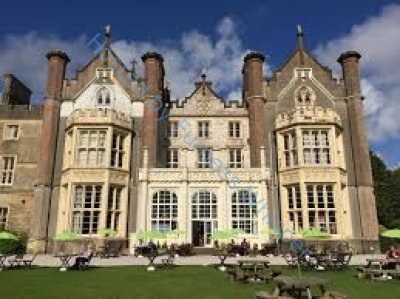
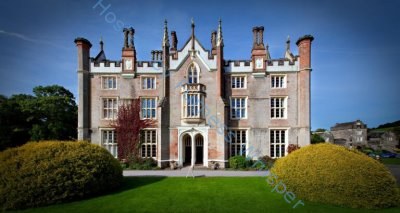
Following the dissolution, the estate passed to Lord Mounteagle, who used the remaining priory stones to construct a new country house. Over the centuries, it changed hands until it was acquired by the Braddyll family. In 1821, Colonel Thomas Braddyll, High Sheriff of Lancashire, commissioned architect Philip Wyatt to design a new manor house. Completed in 1836, the striking Gothic Revival building featured octagonal towers rising 100 feet high—still a defining feature of Conishead Priory today.
From Manor House to Hydropathic Hotel
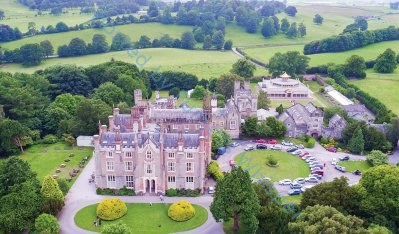
Colonel Braddyll’s fortunes waned, and in 1848 he was declared bankrupt. The estate was sold and converted into a hydropathic hotel, known as ‘The Paradise of Furness,’ in the late 19th century. The hotel could accommodate 240 guests, offering a library, salt baths, pleasure boating, and more.
Conishead Priory During the 20th Century
In 1930, Conishead Priory was repurposed as a convalescent home for Durham coal miners. During the Second World War, it was requisitioned by the military and became the largest hospital in northern England, caring for thousands of patients.
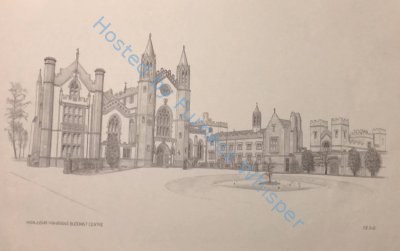
Conishead Priory Today
Today, Conishead Priory is a peaceful retreat once again. Now home to the Manjushri Kadampa Meditation Centre, the grounds include a beautifully decorated Buddhist temple within the former walled garden. The site is open to the public, offering tranquillity, history, and spiritual reflection.
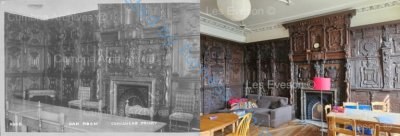
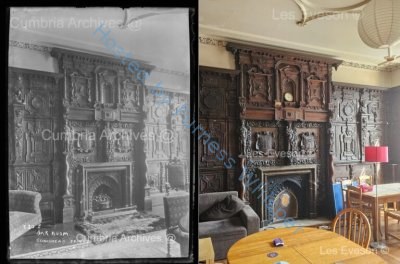
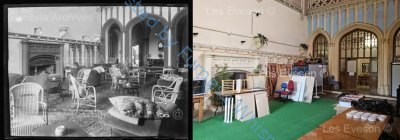
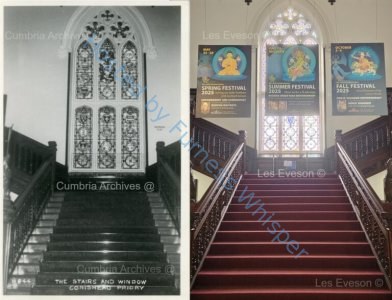
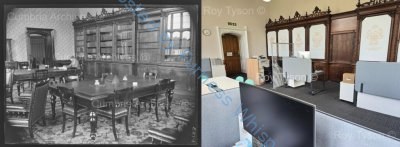
I had the privilege of visiting Conishead Priory to conduct research. The gentle scent of freshly cut grass and the quiet murmur of a nearby stream added to the serenity. After enjoying a coffee and cake in the café, a kind volunteer at the information desk offered a guided tour, including ‘before and after’ photographs from the Sankey collection, revealing how the site has changed over time.
A Living History
Walking through the estate, I reflected on all those who had passed through: Augustinian monks, the Braddyll family, hotel guests, coal miners, and now, Buddhist practitioners. Conishead Priory has adapted over centuries yet retained its sense of peace and resilience. Whether you’re drawn by architecture, spiritual tranquillity, or a passion for history, Conishead Priory offers something for everyone.
Gothic Revival Conishead Priory, home of Manjushri Kadampa Meditation Centre in the Lake District
A special thank you to Roy Tyson, administrative assistant at Conishead Priory, for kindly sharing a recent photograph of the managers’ office—completing our ‘before and after’ set from the Sankey collection. It’s comforting to know that elements from the 1950s still remain, quietly linking us to more recent history.
ConisheadPriory #LakeDistrict #BuddhistRetreat #ManjushriKadampaMeditationCentre
With thanks to Cumbria Archives for preserving the rich history of Furness, and for sharing images that help bring these stories vividly to life.
Images courtesy of Cumbria Archives.
#CumbriaArchivesPhotos
#HistoricalSites #MedievalHistory #GothicRevival #Architecture #HistoryLovers #PeacefulRetreat #AugustinianMonks #SankeyCollection #CulturalHeritage #HistoricEngland #TravelBlog #UKHistory #HeritageSite #MonasticHistory #ResearchJourney #HiddenHistory
100%