Window Tax England sparked one of the quietest but most visible rebellions in British history—marked by bricks, darkness, and defiance.
Window Tax England The Bricked-Up Rebellion
27 March 2024
Imagine a world where sunlight was a luxury, a privilege taxed by the crown. A world where people, rather than embrace the warmth of the sun, chose to brick up their windows. This was the reality of 18th-century England, a time when a seemingly innocuous tax ignited a peculiar form of civil disobedience.
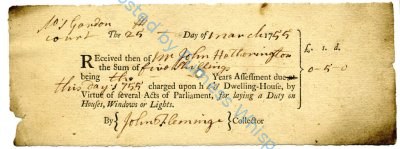
The Window Tax, as it was officially called, was a levy imposed by the British government. The more windows a property had, the higher the tax. The logic was simple: more windows implied a more affluent household, and therefore, a greater capacity to pay taxes. However, the British people, ever resourceful and resistant to excessive taxation, found a rather ingenious way to circumvent the law. They began to brick up their windows, reducing their tax burden. This led to a bizarre architectural trend, with houses across the nation sporting fewer and fewer windows.
The result was a nation bathed in perpetual twilight, a testament to the lengths people would go to avoid paying taxes. The Window Tax England controversy, though seemingly a minor imposition, sparked a larger debate about the limits of government power and the rights of the individual.
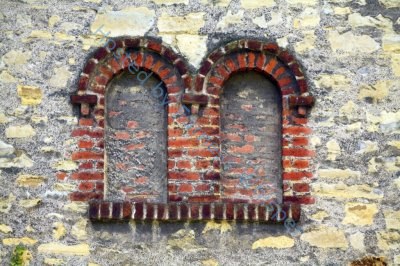
🧱 Window Tax England and the Bricked-Up Protest
The rebellion was silent but visible. Bricked-up windows across towns and cities became symbols of civil disobedience. These tax-driven architectural changes still mark many buildings, especially from the Georgian architecture era, quietly telling the story of resistance.
The Window Tax England not only darkened homes but also illuminated the lengths to which people would go to protest unfair policies.
🏛️ Tax England Rebellion
While the tax was eventually repealed, its legacy lives on. The bricked-up windows that adorn many historic buildings in England serve as a reminder of this peculiar chapter in British tax history. They are a testament to the ingenuity and resilience of the British people, who, in the face of oppressive crown taxation, found a way to shine a light on the absurdity of the system—even while blocking the sun.
100%