There was a time when the streets outside Barrow Civic Hall were alive with the rumble of bus engines, the squeal of brakes, the chatter of people gathering beneath the evening sky and the excited voices of youngsters clutching tickets for a performance they had been looking forward to for weeks. Inside, the atmosphere could change almost beyond recognition from one day to the next. One evening, the auditorium might be shaking with the thunder of electric guitars and the cheers of a packed audience. The following afternoon, the same building could be filled with the laughter of children watching a pantomime, the gentle murmur of visitors admiring paintings or the unmistakable rattling of roller skates racing across the floor. It was a building with many different personalities, and over more than half a century, it became part of the lives of thousands of Barrow families.
Barrow Civic Hall – From the Bright Lights of 1971 to the End of an Era
28 October 2026
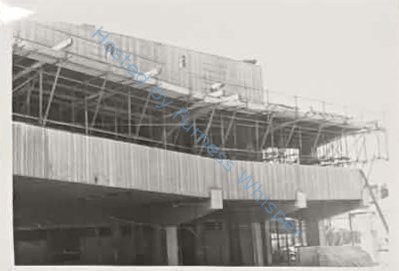
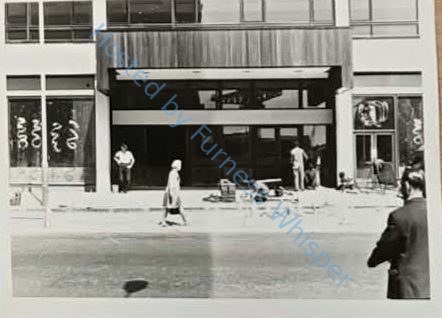
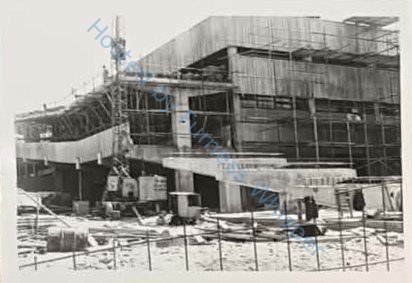
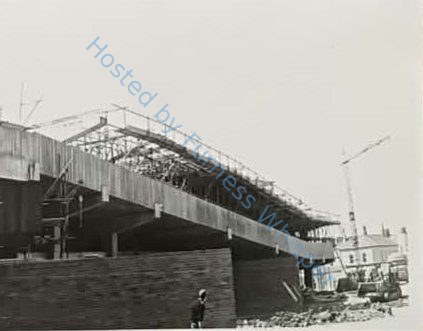
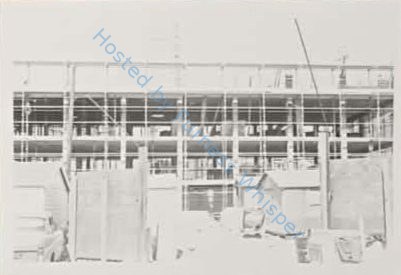
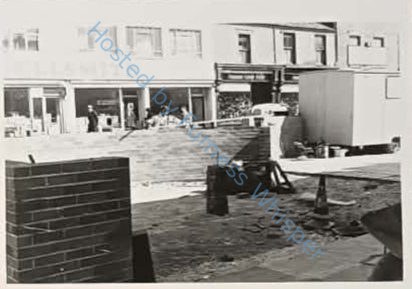
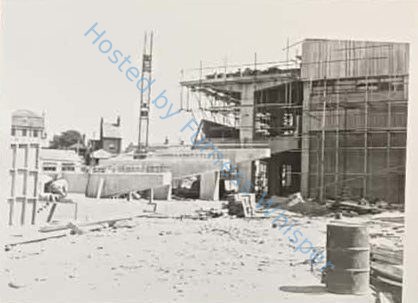
Standing opposite Barrow's magnificent Victorian Town Hall on Duke Street, the Civic Hall represented an entirely different period in the town's history. Where the Town Hall, with its towering clock, decorative stonework and commanding presence, reflected the wealth and ambition of Victorian Barrow, the Civic Hall belonged to a generation that looked towards modern architecture and new ways of bringing people together. Its story began during the enormous changes of the 1960s, when towns across Britain were replacing older markets and streets with shopping centres, car parks and public entertainment facilities. Barrow was no exception. The town's original Victorian market had been established in 1864 for the Furness Railway Company before passing into municipal ownership in 1874, while a separate fish market opened behind the Town Hall in 1903. Generations of shoppers had wandered through those older markets, listening to traders calling out their prices, exchanging news with neighbours and filling their baskets with provisions for the family table. But by the middle of the twentieth century, ideas about shopping, entertainment and town planning were changing, and Barrow was preparing for a new chapter.
The result was an ambitious development on Duke Street, bringing together indoor markets, a shopping arcade, rooftop car parking and a purpose-built Civic Hall. Imagine how different the area must have appeared to somebody who had grown up with the older markets and familiar streets. Suddenly, there was this enormous modern development standing opposite the Victorian Town Hall, its clean lines and contemporary appearance providing a striking contrast with the elaborate architecture across the road. What had once been a familiar part of the town centre was being reshaped into something entirely new, reflecting the confidence and optimism of the early 1970s.
On 10 June 1971, Queen Elizabeth II officially opened the new Market Hall, unveiling a commemorative plaque at its Duke Street entrance. It was a significant occasion for Barrow, marking the completion of a development intended to serve the town for generations. The adjoining Civic Hall formed the entertainment element of the complex, providing a versatile public venue that could accommodate concerts, theatrical performances, exhibitions, dances, conferences, social functions and community gatherings. Unlike a traditional theatre, designed primarily around its stage and auditorium, the Civic Hall was intended to be adaptable. Its rooms could welcome completely different groups of people within the same week, transforming from a concert venue into an exhibition hall, a ballroom or a place for family celebrations. Few could have imagined just how many stories would eventually begin within those walls.
**The Early Years – A Building That Brought Barrow Together**
The original Civic Hall was much more than its main auditorium. Its additional facilities included the Rydal Suite and Grasmere Suite, rooms that would become familiar to generations of families celebrating birthdays, engagements, weddings and other special occasions. There were also refreshment facilities, including a coffee shop towards the outdoor market. Not everybody visited the Civic Hall to watch a performance. Some simply called in for a drink during their shopping trip, perhaps escaping the cold and bustle of Duke Street for a few moments before carrying on with their day. Imagine stepping inside from a damp Barrow afternoon, the warmth of the building replacing the chill outside, the clatter of cups and saucers coming from the refreshment area and conversations drifting between tables.
Joanne Winter remembers visiting the coffee shop with her mother when she was a child, describing its location around the back of the Civic Hall, close to the outdoor market. Jacqui Armstrong remembers something equally distinctive: the kiosk served particularly good milky coffees. It might seem a small detail compared with the famous entertainers who later appeared on stage, but there is something wonderfully human about that recollection. After all these years, it is not necessarily the architecture or the layout that springs to mind, but the simple pleasure of a drink enjoyed in familiar surroundings. These are the details that reveal how deeply the Civic Hall became woven into ordinary life in Barrow.
By 1972, only a year after the complex opened, the function rooms were already becoming popular places for celebrations. Patricia Whyte remembers how she and her late husband were the first to book the Rydal Suite, celebrating both his twenty-first birthday and their engagement that year. Just imagine that evening, the excitement of a young couple beginning their life together, relatives arriving in their best clothes, music playing and glasses being raised in celebration. The room itself might have been part of a brand-new municipal development, but for those gathered inside, it was becoming the setting for a deeply personal moment that would be remembered for a lifetime.
Merry Tong also recalls celebrating her twenty-first birthday in the Rydal Suite and still has photographs of the occasion. Sandy Sol Larsen remembers holding her eighteenth birthday party at the Civic Hall, while her cousin celebrated her wedding reception in the Grasmere Suite. Linda Gilmour similarly remembers her own wedding reception taking place upstairs, although she was uncertain whether it was the Grasmere Suite. These celebrations must have given the building an entirely different atmosphere from its public performances. Picture the tables arranged for a special evening, the sound of laughter and dancing, the rustling of dresses as people moved across the floor and families gathering together for photographs. The music would eventually stop, the last guests would make their way home and the room would be prepared for another occasion, but the memories remained.
One particularly fascinating account comes from Sam Mckinlay, who worked as a doorman at the Civic Hall from its opening night until 1975, alongside Ray Hamilton and Cliff Logan. Sam remembers the manager at the time being Ken Norman and describes just how popular the venue became during its earliest years. According to his recollection, visitors were expected to wear a collar and tie to gain admission, while the smaller upstairs rooms were regularly booked for birthday celebrations and private functions. There is something rather charming about picturing those early evenings, with gentlemen straightening their ties before approaching the entrance and couples arriving dressed for a proper night out. The doors would open, tickets would be checked and the sound of conversation would gradually grow louder as another audience made its way inside.
**When Some of the Biggest Names in Music Came to Barrow**
Perhaps one of the most remarkable chapters in the Civic Hall's history is the sheer variety of musicians and entertainers who appeared on its stage. During the 1970s, Barrow attracted performers whose records were playing on radios and record players across Britain. At a time when travelling to concerts in larger cities was not always straightforward, the opportunity to see well-known artists performing in the centre of Barrow must have been an enormous attraction, particularly for younger audiences.
On 24 January 1973, folk group The Spinners appeared at the Civic Hall, with an original advertising poster surviving in Cumbria Archives under reference BDX 676. Only a few weeks later, on 10 March 1973, British folk-rock group Strawbs performed during their *Bursting at the Seams* period. Chris Tucker remembers seeing Strawbs, although he places his visit towards the late 1970s rather than the documented 1973 appearance. Jamie Clark also recalls the group, along with the many eighteenth birthday celebrations associated with the venue. These performances helped establish the Civic Hall as a place where nationally recognised musicians could bring their music directly to Barrow audiences.
Then came the unmistakable sound and spectacle of glam rock. On 29 May 1973, Sweet appeared at the Civic Hall, bringing their powerful guitars, theatrical appearance and energetic performances to Duke Street. Imagine the atmosphere amongst the younger members of the audience, some wearing the fashions of the day, others eagerly waiting to see a band whose records they had played countless times at home. The lights dim, the opening guitar notes cut through the noise of the room and suddenly the stage erupts into sound. For a few hours, Barrow has its own little piece of the British glam-rock scene.
Susan Salmon remembers attending Sweet's concert, and her connection with the building did not end there, as she also celebrated her twenty-first birthday at the Civic Hall. Keith Myers remembers Sweet alongside Thin Lizzy, Electric Light Orchestra, better known as ELO, and The Groundhogs. Thin Lizzy's appearance on 10 October 1973, during their *Vagabonds of the Western World* tour, is supported by surviving concert records. Only ten days later, on 20 October, the Incredible String Band performed with McGuinness Flint. It was a remarkable variety of music within a relatively short period, ranging from folk and progressive rock to glam rock and the harder-edged sound of Thin Lizzy.
Other concert records identify appearances by Commander Cody and His Lost Planet Airmen on 2 September 1973, progressive rock band Fruupp on 14 June 1974, Lunatic Fringe on 27 November 1979 and Elvis Costello on 6 December 1984. Yet those surviving dates represent only part of the entertainment remembered by people who attended the Civic Hall. Geoff Mcdonald recalls The Glitter Band in 1974, while Geoff Quirk remembers guitarist Bert Weedon and television impressionist Mike Yarwood. Helen Howard remembers seeing Alvin Stardust, Wendy Bradford recalls Showaddywaddy during the early 1980s, and Linda White remembers Peters and Lee. David Barnfield recalls Tygers of Pan Tang and Praying Mantis, while Martin Millar remembers seeing The Specials before later performing at the venue himself with several bands during the 1980s and 1990s.
Each of those names represents another evening when the building took on a different atmosphere. Picture the queues stretching towards the entrance, friends calling to one another above the noise of the traffic and the anticipation growing as the time for the performance approached. Inside, the audience would settle into place, programmes and tickets tucked into pockets, waiting for the moment the stage lights came up. Some concerts would have been loud enough to leave ears ringing long after the final song, while others would have drawn audiences into quieter performances where every note and lyric could be appreciated.
One particularly memorable story comes from Ian Bradley, who recalls being considered too young to attend Sweet's concert. Rather than simply going home disappointed, Ian managed to obtain the band's autographs outside the building. Just imagine being that youngster, standing only yards away from a concert you desperately wanted to attend, hearing the muffled excitement from inside and then finding yourself face to face with the very musicians you had hoped to see. Ian also remembers meeting comedian Charlie Williams at the Civic Hall when he was little. Encounters like these might have lasted only a few moments, yet they became memories that have survived for more than half a century.
Those working behind the scenes enjoyed a different view of the entertainment world. Sam Mckinlay remembers meeting Gene Pitney and Georgie Fame during his time as a doorman. He describes Gene Pitney as a particularly pleasant gentleman and a wonderful singer, while his memories of Georgie Fame were rather less favourable. These recollections offer an intriguing glimpse into a side of the Civic Hall that audiences rarely experienced. Away from the applause and stage lights, there were performers arriving with their belongings, staff preparing the venue and the constant work required to ensure that each evening ran smoothly.
Local music also played an important part in the Civic Hall's programme. Graham Harcourt remembers Terry Turner's Barrow Pop Proms, which he places from around 1976 onwards. These events brought a strong local connection to the building, offering another opportunity for audiences and musicians to come together. For somebody growing up in Barrow with an interest in music, the prospect of performing on the same stage that had welcomed nationally recognised entertainers must have been an exciting one, even if it came with the inevitable butterflies before stepping out in front of an audience.
Janice Skelton remembers Elvis Costello's 1984 appearance, recalling the concert in connection with a Campaign for Nuclear Disarmament march through Barrow. She also remembers New Year's Eve celebrations and the bus stops across the road. These details place the concerts within the wider life of the town. The entertainment did not begin and end at the auditorium doors. There were journeys into town, friends meeting beforehand, conversations outside afterwards and buses carrying people home while the songs they had just heard were still playing in their heads.
**Wrestling, Famous Personalities and the Magic of Christmas**
Music was only one part of the Civic Hall's entertainment. Professional wrestling became another major attraction, bringing some of Britain's most recognisable wrestling personalities to Barrow. Among the names remembered most frequently are Big Daddy and Giant Haystacks, whose appearances drew enthusiastic crowds during the 1970s and beyond. Bryan Reynolds remembers going to see them, while Janette Ruston recalls her father taking her to watch Big Daddy, Giant Haystacks and other wrestlers during the 1970s.
What makes Janette's recollection particularly entertaining is her memory of the audience. She describes the hall being full of older women shouting encouragement towards the wrestlers, reacting enthusiastically to every dramatic move. You can almost hear the uproar as somebody is thrown across the ring, followed by a chorus of cheers, boos and laughter. Wrestling was entertainment in which the spectators became part of the spectacle, shouting advice as though the wrestlers might actually listen. For a youngster watching those enormous personalities only a short distance away, the excitement must have been extraordinary.
The Civic Hall also welcomed other sporting personalities. Michael Pratt remembers darts champion Eric Bristow, while John Earnshaw recalls attending an exhibition challenge featuring Bristow and Maureen Flowers. John's memory includes an amusing encounter at the bar involving a substantial order of Southern Comfort, which became increasingly difficult for the barmaid to keep track of. It was evidently one of those evenings when the entertainment extended beyond the sporting exhibition itself. Another unusual attraction was a speedway exhibition during the 1970s, remembered by Jacqui Armstrong, where one of the main exhibits was a gold-plated speedway motorcycle associated with world champion Ivan Mauger.
When Christmas approached, the Civic Hall underwent another transformation. Instead of rock concerts and wrestling crowds, families arrived for pantomimes, seasonal shows, parties and Christmas fairs. Imagine the excitement of children entering the auditorium, searching for their seats and looking towards the closed curtains, wondering what surprises were waiting on the other side. The chatter of the audience would gradually settle, the music would begin and suddenly the stage would come alive with colourful costumes, familiar characters and the wonderful tradition of children shouting warnings whenever the villain appeared.
Julie Sanders remembers attending a pantomime during the 1970s featuring television entertainer Norman Vaughan as the star. There is also surviving documentary evidence of *Babes in the Wood*, advertised as commencing on 27 December 1976 and featuring comedian Ken Platt. The original colour poster survives in the University of Sheffield's National Fairground and Circus Archive, within the Cyril Critchlow Collection, under reference 178R27.154. It is remarkable to think that a poster once intended to advertise a Christmas performance in Barrow is now preserved as part of a historical archive, providing a tangible connection with the entertainment enjoyed by families nearly fifty years ago.
Jon Jitsu has a particularly lovely memory of waiting at the United Club in Barrow as a child for special buses arranged to take members' children to a Christmas party and pantomime at the Civic Hall. Imagine the excitement before the journey had even begun, children talking over one another as they waited, watching for the approaching buses and eagerly climbing aboard when they arrived. The journey would have been part of the adventure, followed by the bustle of entering the Civic Hall with friends and settling down for an afternoon of entertainment. For those children, the building was associated with the magic of Christmas long before the curtain rose.
Maggie Gold remembers the Civic Hall as a place where there always seemed to be something interesting happening, from art exhibitions and Christmas fairs to pantomimes and other performances. She particularly looked forward to the Barrow Savoyards presenting their Gilbert and Sullivan operettas, remembering how she and a friend rarely missed a production. The music, costumes, humorous dialogue and elaborate staging brought another dimension to the Civic Hall's entertainment programme, demonstrating that the same auditorium could accommodate everything from pounding rock music to the delicate melodies and comic situations of traditional operetta.
Christmas bazaars also filled the building with a completely different kind of activity. Jacqui Armstrong remembers her grandmother organising the annual Labour Party Christmas Bazaar at the Civic Hall, with Jacqui and her sister helping out. She recalls how busy and enjoyable those occasions were. Imagine the tables covered with goods, visitors stopping to examine what was on offer, the sound of coins being counted and the warm bustle of families working together to raise money. These events may never have attracted the headlines reserved for famous entertainers, but they were every bit as much a part of the Civic Hall's history.
Nikki Edwards remembers attending Christmas pantomimes and appearing in a performance with Nellie English's dance school, possibly around 1977. Lynn Zittel also remembers pantomimes alongside Barbara French's tap dancing shows and the roller discos. Adel Groundwater recalls the excitement of attending the yearly pantomime, another tradition that became part of the rhythm of childhood in Barrow. As one Christmas passed into another, the Civic Hall remained a familiar destination for families returning to enjoy another festive performance.
**The Stage Belonged to Barrow's Own Performers Too**
Although the Civic Hall attracted nationally recognised entertainers, some of its most important performances involved the people of Barrow themselves. School choirs, amateur dramatic societies, dance schools and community organisations relied on the stage to present their productions, giving local performers opportunities they might otherwise never have experienced. Behind every show were rehearsals, costumes, scenery, nerves and the quiet determination of people hoping that everything would come together when the curtains opened.
Debbie Armstrong remembers appearing in shows at the Civic Hall and occasionally working as an usher, giving her experience of both performing and helping audiences during events. Paul Rose also remembers the many amateur productions in which he appeared over the years, along with the fellow performers and singers who shared those experiences. These memories reveal how the Civic Hall became a place where friendships developed through rehearsals and performances, with people returning year after year to take part in another production.
One of the most fascinating theatrical recollections comes from Denis McGeary, who remembers the arrival of the Royal Shakespeare Company around 1979 or 1980. The company brought productions of William Shakespeare's *Much Ado About Nothing* and Bertolt Brecht's *The Caucasian Chalk Circle* to Barrow. The performances formed part of the Royal Shakespeare Company's touring repertoire, with *The Caucasian Chalk Circle* directed by John Caird and *Much Ado About Nothing* directed by Howard Davies.
According to Denis, three enormous lorries arrived at the rear of the Civic Hall carrying everything required to construct a temporary theatre. Scenery, lighting, costumes and props were unloaded, and the local team worked under the direction of the visiting company to assemble a performance space capable of seating approximately 500 people. Just imagine the scene backstage. Heavy equipment being carried through the building, instructions called across the room, timber structures taking shape and lighting rigs gradually being positioned overhead. The ordinary multipurpose hall was being transformed into a temporary theatre, piece by piece, ready to welcome audiences into a world far removed from the streets of Barrow outside.
During a school matinee of *The Caucasian Chalk Circle*, Denis watched an actress perform a scene in which she appeared to be crossing a dangerous ravine on an unstable rope bridge. As she seemed to lose her footing, the audience gasped, convinced they were witnessing a moment of genuine danger. Yet there was no actual rope bridge. The entire illusion had been created through acting and the imagination of the spectators. Denis remembers being moved to tears, and more than forty-five years later, recalling that moment still brings back the emotion. It is a wonderful example of the magic of live theatre, where a performer can make an audience believe in something that does not physically exist before their eyes.
Local schools also made extensive use of the Civic Hall. Wendy Bradford remembers singing there with Greengate County Junior School Choir alongside numerous other school choirs. Gill Johnson Jones recalls pupils from North Walney Junior School performing *Joseph and the Amazing Technicolor Dreamcoat*, possibly around 1974, with performances taking place over two evenings. Imagine the anticipation amongst those children as they waited behind the curtains, the nervous whispering, teachers making last-minute adjustments to costumes and the sudden hush as the music began. Out in the auditorium, parents and relatives would be searching the stage for familiar faces, ready to applaud every song and movement.
Risedale Secondary School held its speech nights and award presentations at the Civic Hall, giving pupils the opportunity to receive recognition for their achievements in front of teachers, families and fellow students. Dianne Wainwright remembers returning after leaving school to collect an award for typing, having chosen a shorthand dictionary as her prize. She recalls feeling particularly proud as she went forward to receive it. Afterwards, Dianne and her friends visited the Barrow Arms, although being underage made the experience rather nerve-racking. She remembers being terrified of getting caught and choosing an orange juice instead of anything stronger. Remarkably, she still has the shorthand dictionary, although it now sits gathering dust. That little book has become something far more meaningful than a school prize, preserving the memory of an evening at the Civic Hall and a particular moment in her younger life.
Dance schools were another important part of the building's history. Sharon Bernadette Thompson remembers taking part in tap dancing shows, while Lisa Luisi recalls attending annual tap dancing shows and competitions with her three daughters. Productions associated with Ann Cottam, Barbara French and Nellie English brought young performers onto the Civic Hall stage, often in front of packed audiences of proud parents and relatives.
Joanne Winter has an especially remarkable memory of appearing on stage with Ann Cottam's Tap Dancing Group during the 1970s at only eighteen months old. Adel Groundwater remembers her sisters performing in Ann Cottam's shows and later joining the group herself for a short time. Imagine the bustle behind the curtains on one of those evenings, the rustling of costumes, the sound of tap shoes striking the floor, parents making final adjustments and young dancers quietly rehearsing their steps. Then comes the music, the curtains open and the performers step out beneath the bright lights. For many of those children, the Civic Hall provided their first taste of performing before a large audience.
Brownies and other youth organisations also made use of the building for Gang Shows and fundraising activities. Adel Groundwater remembers taking part in several Gang Shows as a Brownie, with stalls arranged upstairs to raise funds. Some were organised according to different colours, including a green stall filled with plants and other green items. The building would have been busy with youngsters preparing for their performances, adults arranging the stalls and visitors moving between the different activities. These were the sorts of community occasions that depended on volunteers, parents and young people working together, creating an atmosphere that was just as important to the town as the professional entertainment taking place on the main stage.
**Art Exhibitions, Model Railways and the World Beyond the Stage**
The Civic Hall's adaptable design meant that its rooms could become something completely different when a major performance was not taking place. Art exhibitions, hobby fairs, educational activities and displays all found a home within the building, often attracting people who might never have attended a concert or theatrical production.
Barrow Art Society regularly displayed paintings by local artists, providing opportunities for members of the public to admire and purchase their work. Helen Ruth Rogan remembers these exhibitions particularly well, recalling artists such as Graham Twyford, who began displaying paintings while still a teenager, and the late Bill Bell of Ireleth, whose work later became widely known. Helen also remembers her grandmother, who had previously worked for Hartley & Bramhalls Electrical Ltd, helping prepare the exhibitions and working at the entrance desk after her retirement.
Imagine walking through one of those exhibitions. The thunder of a concert audience is replaced by quieter conversation, footsteps passing slowly between displays and visitors stopping to examine paintings. People might lean closer to appreciate a particular detail, step backwards to view a landscape properly or discuss a picture with the person standing beside them. Volunteers would greet visitors, collect admission money and help keep everything running smoothly. What might have appeared to be a temporary gallery was actually the result of considerable effort by local artists and the people supporting them.
Jamie Wright remembers the indoor bowling facilities and art galleries towards the other end of the upstairs area, another reminder of the building's varied uses. Chris Tucker also recalls his child's school art and needlework being exhibited at the Civic Hall, although there was an unfortunate mix-up when the work was displayed under somebody else's name. Thankfully, the mistake was corrected, but it became another of those small incidents that families remember long after the exhibition itself has ended.
Model railway exhibitions were another popular attraction. Jeanette Peters remembers Furness Model Railway Club holding its Easter exhibitions at the Civic Hall, while Helen Ruth Rogan recalls North West model railway and collectors' toy fairs. Imagine the exhibition spaces filled with miniature landscapes, carefully constructed stations, tiny houses and railway tracks winding between buildings and tunnels. The gentle hum of motors and occasional clicking of wheels against rails would accompany the conversations of enthusiasts discussing their layouts. Children could stand watching miniature locomotives disappear into tunnels and emerge somewhere else, while adults admired the patience and craftsmanship required to create such detailed scenes.
Not everything involved in organising these events went smoothly. Helen Ruth Rogan remembers problems with access to the rear of the Civic Hall for unloading equipment and stock. On one occasion, according to her recollection, exhibitors received parking tickets while attempting to unload their goods, leading the organiser to abandon future events. It may have been frustrating at the time, but it provides a glimpse into the practical challenges faced by the people bringing exhibitions to a busy town-centre venue.
The Civic Hall also accommodated educational activities and road-safety events. Susan White remembers attending the Tufty Club, which helped teach children how to stay safe near roads. Adrienne Troughton recalls RoSPA activities downstairs and Tufty sessions upstairs, while V Twin Joe remembers taking part in Star Rider motorcycle training at the Civic Hall in 1985. These were very different activities from the concerts, pantomimes and exhibitions for which the venue was best known, yet they demonstrate how the building served so many different purposes.
Jacqui Armstrong remembers another unusual event: a speedway exhibition during the 1970s, where one of the main attractions was Ivan Mauger's gold-plated motorcycle. She also recalls her husband's parents attending country and western evenings at the Civic Hall, with meals and live entertainment forming part of the occasion. Country singer Slim Whitman is remembered as appearing at one of these events. Picture the tables prepared for the evening, food being served, conversations passing between guests and the sound of country music gradually filling the room. Once again, the Civic Hall could adapt its atmosphere to suit a completely different audience.
**The Roller Disco Years – When the Civic Hall Became a Teenage Meeting Place**
For those who grew up during the 1980s, one of the most vivid memories of the Civic Hall is the roller disco. The elegant evenings of collars and ties belonged to an earlier period, and a new generation was discovering the building in an entirely different way. Friday evenings and Saturday sessions brought crowds of youngsters through the doors, sometimes with queues forming outside long before the skating began.
Susan Royle remembers Thursday night discos, possibly in the Rydal Suite, alongside roller discos on Friday evenings and Saturday afternoons. Joanne Winter also remembers Saturday roller discos during the 1980s, while Lynn Zittel and Lisa Hardie associate the building with roller skating. Craig Somerville recalls the roller discos of the late 1980s and early 1990s as some of his happiest memories of the venue.
Adel Groundwater remembers queuing outside on Saturdays during the 1980s before entering a pitch-black disco room where everyone could demonstrate their skating skills. She particularly recalls skating backwards and crouching down with one leg stretched out in front while travelling across the floor. Just imagine the scene. Music pumping through the room, wheels rattling against the surface, friends laughing as somebody attempts a new trick and the occasional thud as a skater loses their balance. There would have been those who glided effortlessly around the room and others who spent much of the session trying not to fall over. Either way, it was entertainment that required no famous performer, elaborate scenery or expensive production. The youngsters themselves created the atmosphere.
The Civic Hall also hosted regular discos and dances, including events in the upstairs function rooms and main hall. Linda Gilmour remembers discos taking place upstairs, possibly in the Rydal Suite, as well as downstairs in the main room. Julia Scott Sanderson recalls a dance floor packed with people, capturing the energy of another side of the venue's social life. For some, these evenings were about the music. For others, they were about meeting friends, building confidence or perhaps plucking up the courage to ask somebody for a dance. The hours would pass quickly, and before long, everyone would be heading back outside into the cool evening air.
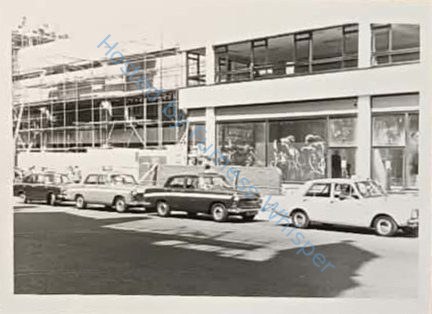
The streets around the Civic Hall were also very different from those familiar today. Buses and cars passed directly in front of the building, travelling between the modern complex and the Victorian Town Hall. The bus stops were an important part of the area, with passengers gathering together before services departed towards different parts of Barrow.
Martin Stagg remembers the original Civic Hall with particular affection and also recalls the bus stops as lively social gathering places, where friends would meet before travelling home. Janice Skelton remembers the bus stops across the road, while V Twin Joe also identifies them as one of his clearest memories of the building's surroundings. Imagine standing outside after a concert or dance, the cool evening air catching your face after the warmth of the hall, buses rumbling towards the stops and friends continuing their conversations while waiting for their services. The sound of engines, doors opening, passengers calling to one another and traffic moving through Duke Street was part of the everyday atmosphere surrounding the Civic Hall.
**1990 – The Civic Hall Becomes Forum 28**
By the late 1980s, almost twenty years had passed since the Civic Hall first opened. The building had welcomed an extraordinary variety of entertainers, schoolchildren, dancers, artists, railway enthusiasts and families celebrating special occasions. Yet expectations of modern theatre facilities were changing, and the original multipurpose layout was increasingly different from what professional touring productions required.
In 1990, the Civic Hall underwent a substantial reconstruction, reopening as Forum 28, a name associated with its address at 28 Duke Street. The redevelopment represented much more than putting a different sign above the entrance. The building was transformed into a dedicated arts centre with improved theatrical facilities, including a large proscenium-stage theatre, tiered seating and supporting accommodation suitable for professional performances. The main theatre eventually provided seating for approximately 530 people, while a smaller studio accommodated around 160. Conference and function rooms remained part of the development, preserving some of the flexibility that had made the original Civic Hall so popular.
The changes brought a different experience for audiences. Instead of a large multipurpose space that could be rearranged for everything from roller skating to exhibitions, Forum 28 placed greater emphasis on staged entertainment and the arts. The familiar atmosphere of the original Civic Hall was changing, along with the expectations of those who visited it. For some residents, the refurbishment brought welcome improvements and a more comfortable theatre experience. For others, something of the original building's character had been lost.
Nevertheless, the venue continued attracting professional performers and local productions. Mike Thompson remembers Radiohead appearing around 1992, supporting the indie band The Wendys, shortly before Radiohead achieved wider recognition. The precise date and details of this performance have not yet been independently confirmed, but it remains an intriguing recollection from the Forum's early years. The building continued hosting music, theatre, comedy, pantomimes and community events, while its function rooms remained available for meetings and celebrations.
As the years passed, Forum 28 became more commonly known simply as The Forum. The name became familiar to another generation of Barrow residents who attended its performances, conferences and community activities. Yet for many people who had grown up during the 1970s and 1980s, it would always remain the Civic Hall. The new name could never completely replace the memories of the old auditorium, the roller discos, the function rooms or the buses waiting outside on Duke Street.
**The Tragedy of 2002**
Not every chapter in the building's history was a happy one. In August 2002, Barrow experienced a devastating outbreak of Legionnaires' disease linked to a cooling system associated with Forum 28. Seven people lost their lives, while approximately 180 others suffered ill health. The outbreak became one of the most serious incidents of its kind in Britain and led to a major investigation by the Health and Safety Executive.
The investigation identified serious failures in the management and maintenance of the cooling system, including shortcomings in risk assessment, contractor supervision and safety procedures. Legal proceedings followed, and the tragedy became an important national example of the consequences of inadequate water-system safety management.
For the families affected, however, the events of 2002 were far more than an investigation, a court case or another chapter in the building's history. Craig Somerville, who remembers the roller discos of the late 1980s and early 1990s with affection, also lost his mother as a result of the Legionnaires' outbreak. For Craig and his family, the Forum is connected with both happy childhood experiences and a devastating personal loss. It is a powerful reminder that the history of a public building cannot be told entirely through its happiest moments. The events of 2002 affected families across Barrow, leaving consequences that extended far beyond the physical boundaries of the building itself.
Although the Forum continued operating in the years that followed, the tragedy would remain permanently connected with its history. Those who lost their lives, and the families who continue to remember them, deserve an important place in any account of the venue.
**The Final Years – From Refurbishment Plans to Demolition**
By the beginning of the 2020s, the original Civic Hall and Market Hall complex was more than fifty years old. Although the entertainment venue had undergone substantial reconstruction in 1990, the wider development still incorporated elements of its early 1970s construction. Maintaining and modernising the buildings was becoming increasingly difficult, with asbestos-containing materials presenting particular challenges.
Earlier proposals had envisaged refurbishing the complex as part of a wider programme of investment in Barrow town centre. The plans included improvements to the Forum and Market Hall, changes to the Duke Street frontage and better connections between the buildings and surrounding shopping areas. The intention was to modernise the existing facilities and strengthen their position at the heart of the town.
However, the situation changed as further building problems emerged. In July 2024, the Forum's main theatre closed because of asbestos concerns, initially with the expectation that the closure would be temporary. Investigations revealed that the work required was more complicated than anticipated, and the building remained closed while alternative arrangements were made for performances and other activities.
During February 2026, serious water ingress and further concerns about the condition of the adjoining Market Hall brought additional closures. Detailed assessments concluded that the buildings had reached the end of their practical lives and that retaining them would require extensive and costly remedial work. On 17 March 2026, Westmorland and Furness Council's Cabinet approved progressing the demolition of the Forum and Market Hall as part of the wider Heart of Barrow regeneration programme.
By October 2026, the buildings remained standing, but their proposed demolition had become part of a much larger plan to transform Barrow's town centre. The programme had moved beyond the idea of simply repairing the existing complex, with longer-term proposals involving new facilities and redevelopment of the surrounding area. As the original Civic Hall passed its fifty-fifth anniversary, its future was no longer centred on refurbishment but on what would eventually replace it.
And this is where the history of Barrow Civic Hall becomes particularly poignant. Across Duke Street stands the magnificent Victorian Town Hall, completed in the nineteenth century and still a commanding feature of Barrow's skyline. Opposite it, the Civic Hall complex was built almost eighty-five years later, transformed after only nineteen years and eventually judged beyond economical repair after fifty-five. Both buildings were created to serve the public, yet their histories have followed very different paths.
But to understand what the Civic Hall meant to Barrow, we cannot simply look at the dates when it opened, changed its name or closed its doors. We need to look at the lives that unfolded within it. Patricia Whyte's engagement celebration in 1972. Sam Mckinlay greeting visitors at the doors during the early years. Ian Bradley obtaining Sweet's autographs despite being too young to attend the concert. Denis McGeary witnessing the extraordinary illusion created by the Royal Shakespeare Company. Dianne Wainwright proudly collecting her school prize. Joanne Winter stepping onto the stage at only eighteen months old. Janette Ruston listening to the wrestling crowd roar as Big Daddy and Giant Haystacks entertained the audience. Adel Groundwater skating across a darkened dance floor as music filled the room.
Then there were the quieter moments. Jacqui Armstrong remembering the taste of a milky coffee, Helen Ruth Rogan recalling her grandmother helping with the art exhibitions, Maggie Gold looking forward to the next Barrow Savoyards production and the many families who gathered in the upstairs rooms to celebrate birthdays, engagements and weddings. These might not have been occasions that made the headlines, but they are just as important to the history of the building as the famous performers who appeared beneath its stage lights.
Think of the contrast between all those different occasions. The silence of an audience holding its breath during a theatrical performance. The deafening cheers of a wrestling crowd. The clatter of roller skates and the laughter of youngsters enjoying a Saturday afternoon. The gentle conversations of visitors wandering through an art exhibition. The nervous whispering of schoolchildren waiting backstage, and the thunderous applause when their performance finally ended.
For more than five decades, the Civic Hall changed its appearance, its purpose and even its name, yet the memories of those who knew it continued to grow. Some remembered it for the music, others for the dancing, the theatre, the exhibitions or the celebrations. For some families, its history also carried grief and loss. Together, those different experiences form a portrait of a building that was far more than a collection of rooms and corridors.
One day, the familiar building on Duke Street may no longer be standing. Its walls, stages, function rooms and corridors may disappear, taking with them the physical spaces where so many of these occasions took place. But the surviving posters, programmes, photographs, historical records and personal recollections ensure that its story does not have to disappear with it.
Because Barrow Civic Hall was never simply a building opposite the Town Hall. It was a place where internationally known entertainers shared a stage with local performers, where youngsters discovered the excitement of their first concert, where families celebrated important milestones and where ordinary afternoons and evenings became memories that people would still be talking about half a century later.
The music may have stopped, the stage lights may now be dark and the familiar rooms may be closed, but somewhere in Barrow there will still be somebody who remembers the first time they walked through those doors, the person they were with and the evening that followed.
And that, perhaps more than anything else, is the history worth preserving.
**Furness Whisper – Making History Come Alive**
