Furness Local History
Journey through the rich heritage and captivating stories of our region
Our Research Area
Research Area Map
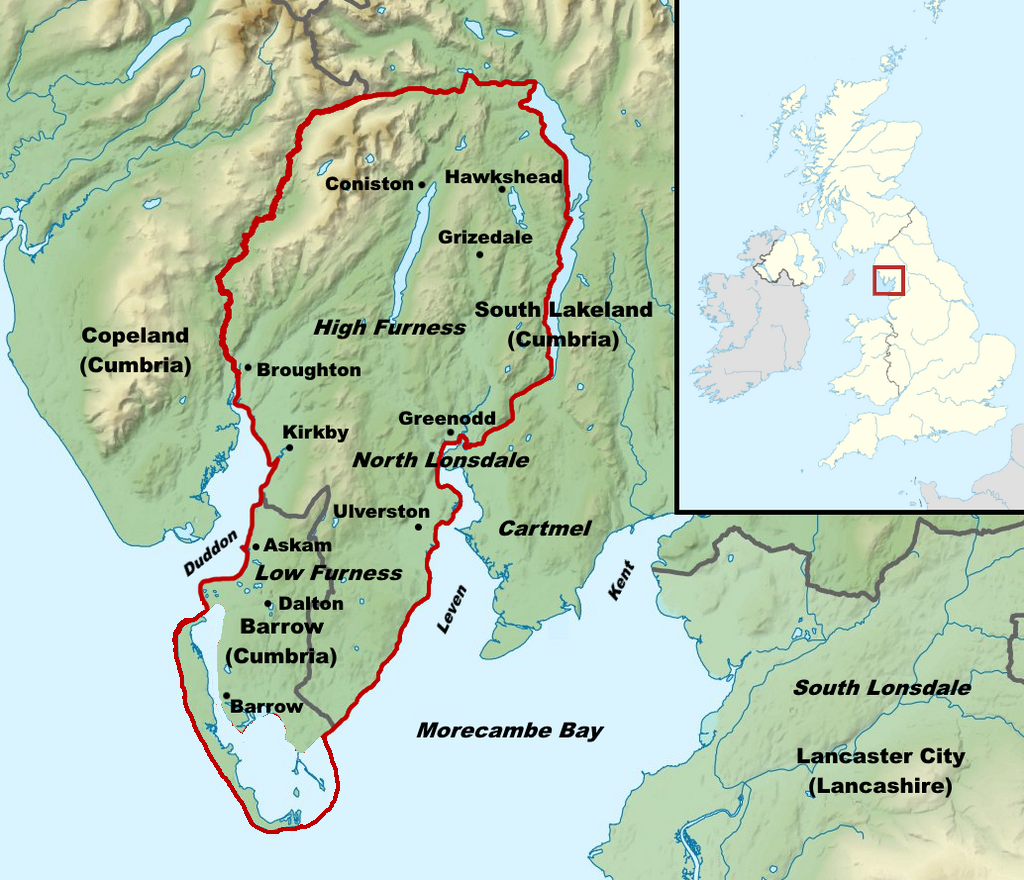
Our research focuses on a specific area of Furness — from the sweep of Morecambe Bay to the heights of the fells — where our team of researchers, historians and volunteers work together to uncover and preserve local heritage. Each of us brings different skills and knowledge to build a clear picture of our area's history.
Historical Stories
Dive into our collection of local history and heritage stories — there's so much to discover
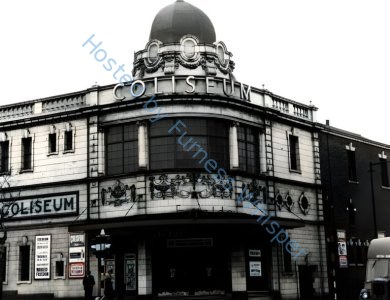
The Coliseum Cinema
Barrow-in-Furness
The wind whips across Walney Channel, carrying with it the salty tang of the sea and the cries of gulls. Here in Barrow-in-Furness, a town forged in t
Read full story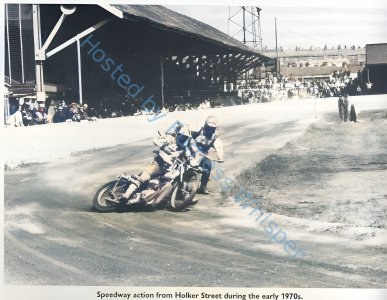
Barrow Bombers: A Speedway Saga of Triumph and Tragedy
Barrow-in-Furness
The roar of engines, the smell of methanol, the thrill of speed… Speedway has a long and fascinating history in Barrow-in-Furness, a tale woven thro
Read full story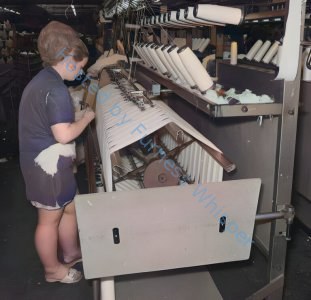
A Woolly Tale: When Barrow Spun a Different Yarn🧶
Barrow-in-Furness
Barrow-in-Furness: a town forged in fire and steel, where towering ships rise from the docks and the air hums with industry. But did you know that nes
Read full story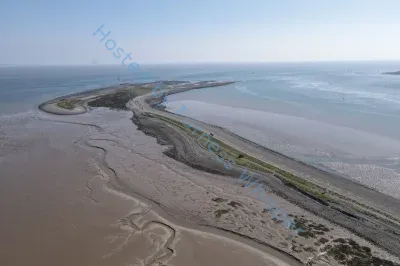
St. Foulcáin and Foulney Island Legend
Hidden-Gems
Foulney Island, a windswept isle off the Cumbrian coast, holds a captivating tale of myth and faith. The legend of St. Foulcáin, an Irish monk, is de
Read full story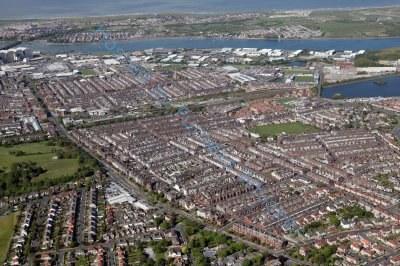
Barrow Lost Treasure Fact or Folklore?
Hidden-Gems
Lost Treasure: Fact or Folklore in Barrow-in-Furness? Lost treasure legends have echoed through the ages in Barrow-in-Furness, a coastal town steep
Read full story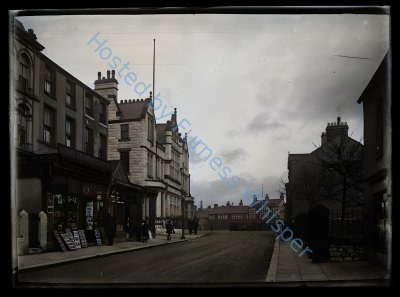
From Cobblestones to Curry: The Curious Case of Dalton’s Police Station
Dalton-in-Furness
Dalton Police Station has witnessed everything from 19th-century courtrooms to modern café life, holding generations of the town’s stories within i
Read full story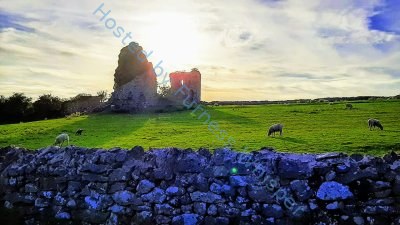
Gleaston Castle: A Factual Exploration of Cumbria’s 14th-Century Relic
Gleaston
Gleaston Castle, a medieval fortress in the Furness region of Cumbria, England, was built in the 14th century and served as the administrative seat of
Read full story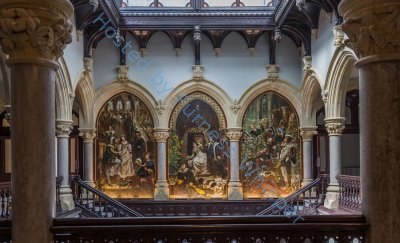
The Iron Giant of Furness
Ulverston
Imagine the Furness of the 1800s: a land where giants of steel ruled, not fire-breathing beasts, but booming factories belching smoke into the sky. Th
Read full story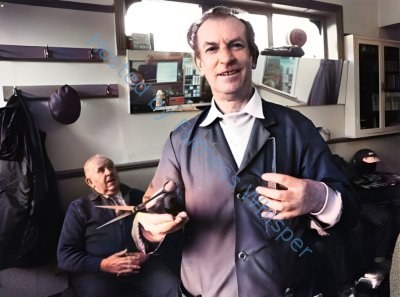
The £1 Haircut: Ernie’s Barbershop, a Barrow Institution
Barrow-in-Furness
The aroma of bay rum and talcum powder always hung heavy in the air in Ernie’s, a comforting and familiar scent that greeted you as you stepped thro
Read full story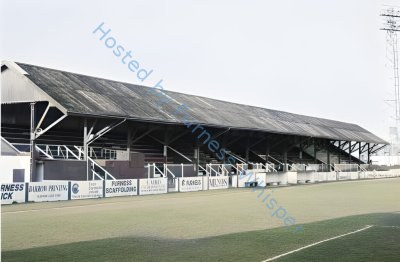
Proud History of Barrow AFC: From Humble Beginnings to League Strides
Barrow-in-Furness
Barrow AFC’s rich history spans over a century, marked by moments of triumph, difficult struggles, and a remarkable journey through the highs and lo
Read full storyFurness Timeline
Travel through thousands of years of Furness history — from prehistoric times to the present day
🏞️ Prehistoric to Roman Period
- c. 4000–2500 BC (Neolithic) — Evidence of early farming and settlement on Walney Island and Low Furness; stone tools and cairns near Urswick and Coniston.
- c. 1000 BC (Bronze Age) — Burial cairns and stone circles appear across Furness Fells and Coniston.
- c. 1st–4th century AD (Roman) — Furness lies near the Roman road from Ravenglass to Watercrook (Kendal). Minor coastal forts and signal stations protect Morecambe Bay; possible outpost near Urswick.
⚔️ Early Medieval / Anglo-Saxon & Norse Period
- 7th century — Anglian settlers reach Low Furness; Christianity spreads via Lindisfarne and York missions.
- 9th century — Norse settlers from Ireland and the Isle of Man colonise Furness; Old Norse place-names emerge (e.g. "-thwaite", "-beck", "-ness").
- 10th century — Area loosely under the Kingdom of Strathclyde or Northumbria before incorporation into England.
🏰 Norman & Monastic Period
- 1086 (Domesday Book) — Records several Furness settlements: Roose, Hougenai (Walney), Hietun (Hawcoat). Dalton noted as the chief manor.
- 1123–1127 — Furness Abbey founded at Bekanesgill (later the Vale of Nightshade near Barrow) by Stephen, Count of Boulogne (later King Stephen). Initially Savigniac, soon Cistercian.
- 12th–13th centuries — The Abbey becomes one of England's richest monasteries; controls land across Furness, parts of Lancashire, and the Isle of Man.
⚒️ Early Modern Period
- 16th–17th centuries — Furness divided between Low Furness (agricultural) and High Furness (pastoral, woodland, mining).
- 1643–1651 — Civil War skirmishes occur near Dalton and Ulverston.
- 1660s–1700s — Ulverston expands as a market town and maritime trading port.
🚂 Industrial & Victorian Expansion
- 1839 — Henry Schneider arrives, prospecting iron ore in Low Furness.
- 1846 — Furness Railway opens between Dalton and Kirkby; later extended to Barrow and Ulverston.
- 1850s–1870s — Massive iron ore extraction at Lindal, Askam, and Stank.
⚓ 20th Century — War, Industry & Community
- 1901 — First British submarine (Holland 1) built in Barrow.
- 1914–1918 (WWI) — Furness shipyards produce Royal Navy vessels; Dalton, Ulverston support war industries.
- 1939–1945 (WWII) — Barrow and Ulverston contribute to the war effort; shipyard bombed during air raids.
🏙️ 21st Century — Modern Furness
- 1984 — Furness General Hospital opens.
- 2000s — Focus on defence (BAE Systems Submarines) and tourism in Coniston, Ulverston, and the Furness Fells.
- 2023 (1 April) — Cumbria abolished; Furness becomes part of the new Westmorland and Furness Unitary Authority.
Our Research Focus
Our research concentrates on specific locations and periods within our area. We work together, combining our different skills and expertise — and we warmly encourage community input and feedback. There are no right or wrong answers when it comes to sharing local knowledge and memories; every contribution enriches our understanding.
Share Your Knowledge
We welcome stories, memories, and information from local residents. Your personal experiences and family history are invaluable to our research — every story adds another layer to our shared heritage.
Share your Furness story with us →Community Feedback
We encourage open discussion and feedback on our research findings. Different perspectives help us build a more complete picture of our area's history — your input truly matters.
Collaborative Research
Our team approach ensures that research is thorough and well-rounded. We combine archival work, fieldwork, and community knowledge to uncover the full story.