Furness Local History
Journey through the rich heritage and captivating stories of our region
Our Research Area
Research Area Map
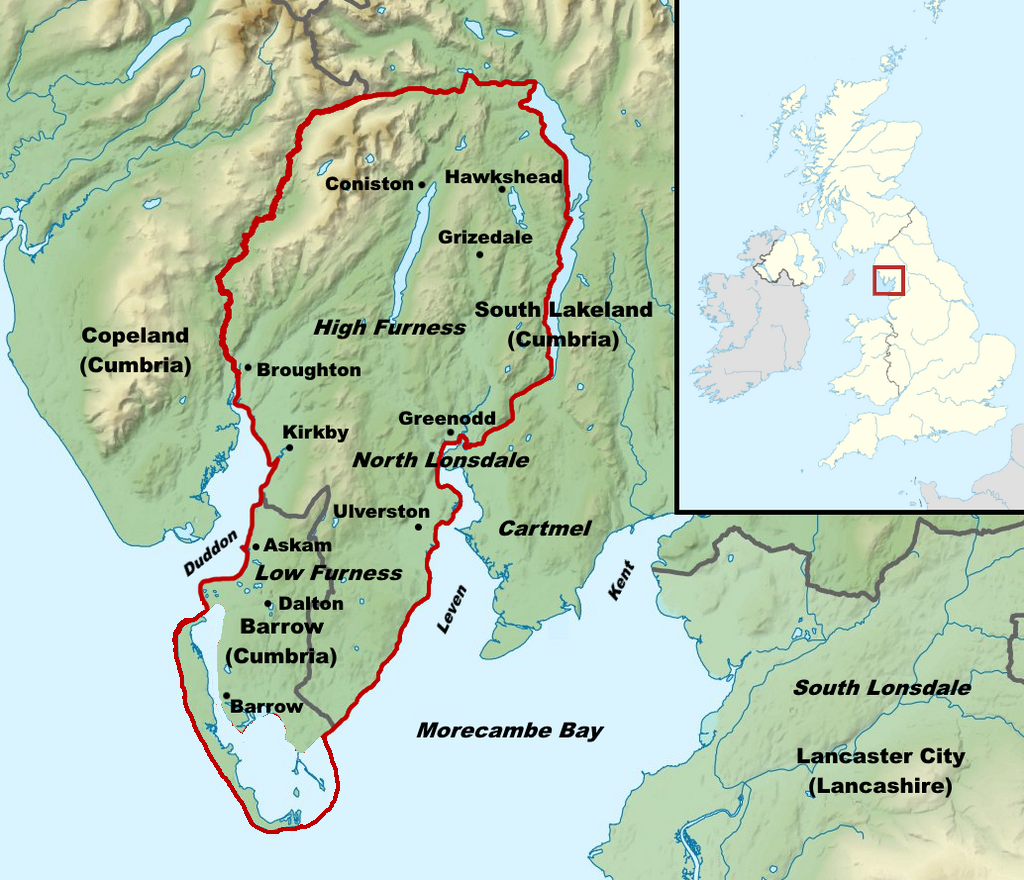
Our research focuses on a specific area of Furness — from the sweep of Morecambe Bay to the heights of the fells — where our team of researchers, historians and volunteers work together to uncover and preserve local heritage. Each of us brings different skills and knowledge to build a clear picture of our area's history.
Historical Stories
Dive into our collection of local history and heritage stories — there's so much to discover
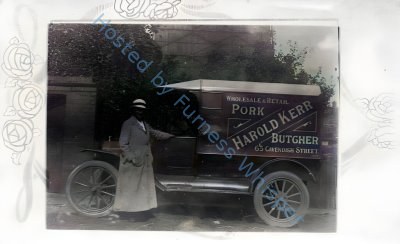
Harold Kerr’s Legacy: A Barrow Butcher Shop
Barrow-in-Furness
In the heart of bustling Barrow-in-Furness, Cavendish Street teemed with life during the early 20th century. The air, thick with the scent of coal sm
Read full story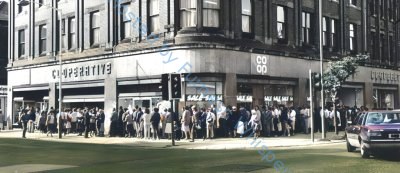
Barrow Co-op: A Lost Era
Barrow-in-Furness
The Barrow Co-op department store, a beloved landmark on Abbey Road in Barrow-in-Furness, Cumbria, England, held a special place in the community for
Read full story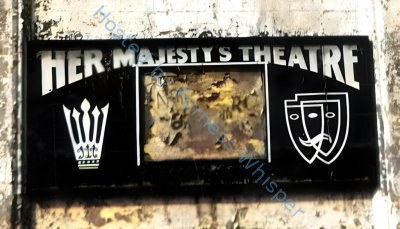
Rise and Fall of Her Majesty’s Theatre: A Barrow Landmark
Barrow-in-Furness
A Cornerstone of Barrow’s Cultural History Her Majesty’s Theatre wasn’t just a building on Albert Street in Barrow-in-Furness, Cumbria – it
Read full story
Emlyn Hughes: Barrow’s Own “Crazy Horse
Barrow-in-Furness
The crisp Cumbrian air whipped around a young Emlyn Walter Hughes as he honed his football skills on the fields of Barrow-in-Furness. Born on 28th Aug
Read full story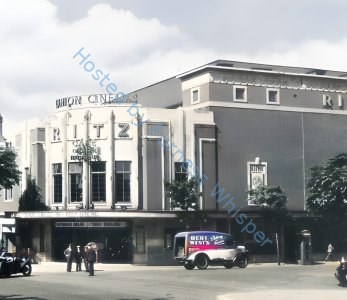
The Rise and Fall of the Barrow-in-Furness Ritz Cinema
Barrow-in-Furness, a town forged in the fires of industry, yearned for a touch of glamour. Enter the Ritz Cinema, a grand Art Deco landmark that grace
Read full story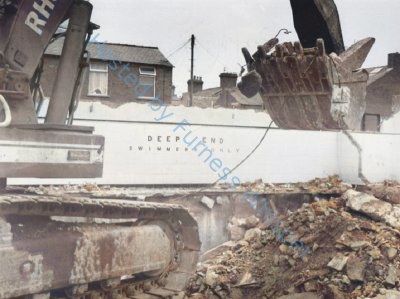
Long-Awaited Plunge: Remembering Barrow’s Abbey Road Baths
Barrow-in-Furness
The story of Barrow’s beloved Abbey Road Baths begins not with the iconic 1914 structure, but with a more modest predecessor. In 1872, Sir James Ra
Read full story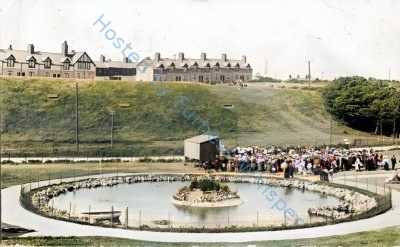
Vickers Town: A Planned Community for Barrow’s Workforce (with Rental Costs in Context)
Barrow-in-Furness
Vickers Town wasn’t simply a footnote in Barrow-in-Furness’ industrial boom; it was a meticulously planned community built specifically to house t
Read full story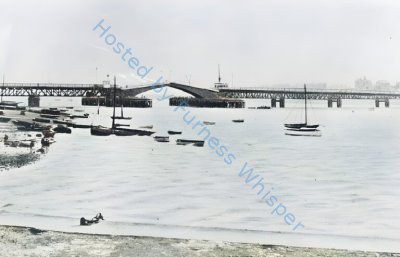
Grand Dame History of the Jubilee Bridge
Barrow-in-Furness
Straddling the Walney Channel like a majestic sentinel, the Jubilee Bridge boasts a rich history intertwined with the very soul of Barrow-in-Furness.
Read full story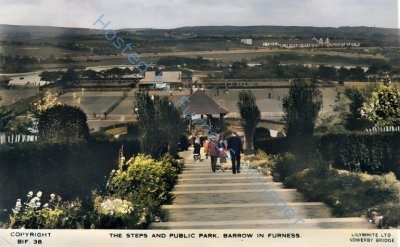
Barrow Park: A Tapestry of Time, Tranquillity, and Evolving Delights
Barrow-in-Furness
As you step through the wrought-iron gates of Barrow Park, the scent of freshly cut grass and blooming flowers fills your nostrils, a symphony of natu
Read full story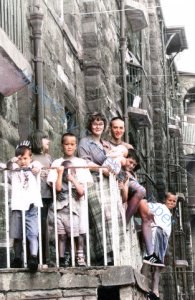
Barrow Island: An Island No More, But an Identity All Its Own
Barrow-in-Furness
The wind whips across Walney Channel, carrying the cries of gulls and the scent of salt spray. Here in Barrow-in-Furness, nestled amongst the industri
Read full story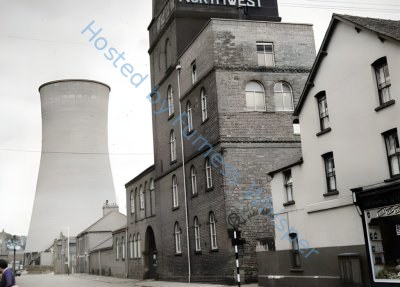
A Giant Falls: Barrow Bids Farewell to its Cooling Tower (1961)
Barrow-in-Furness
A chill wind whips across Buccleuch Street, carrying with it the scent of coal dust and the echoing clang of metal on brick. The skyline of Barrow-in-
Read full story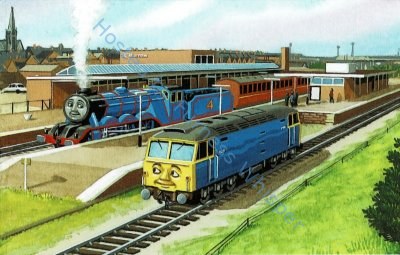
Barrow-in-Furness Thomas the Tank Engine
Hidden-Gems
Barrow-in-Furness Thomas the Tank Engine Connection The Reverend W. V. Awdry, the creator of Thomas the Tank Engine, undoubtedly drew inspiration f
Read full story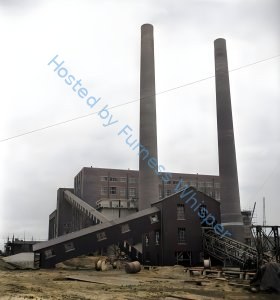
Rise and Fall (and Rise Again!) of Roosecote PowerStation
Barrow-in-Furness
Perched on the rugged edge of Barrow-in-Furness, where the wind carries the salt of the Irish Sea and the hum of industrial history, Roosecote Power S
Read full story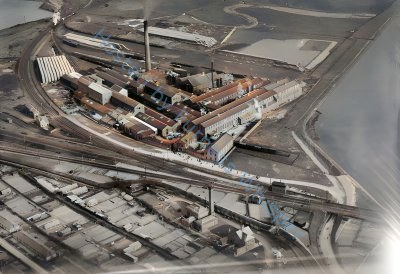
Salthouse Paper Mill: A Barrow-in-Furness Story
Barrow-in-Furness
A Giant Rises Amidst the Salt and Smoke The year is 1888. Queen Victoria reigns, and the Industrial Revolution is in full swing. Here in Barrow-in-
Read full story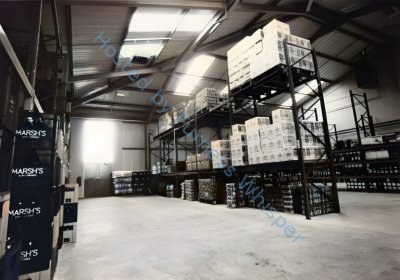
The Legend of Marsh’s Sass: The Lost Fizz ☕
Barrow-in-Furness
Nestled amongst the rolling hills and picturesque lakes of Cumbria, a forgotten legend once bubbled with life – Marsh’s Sass. This wasn’t your a
Read full storyFurness Timeline
Travel through thousands of years of Furness history — from prehistoric times to the present day
🏞️ Prehistoric to Roman Period
- c. 4000–2500 BC (Neolithic) — Evidence of early farming and settlement on Walney Island and Low Furness; stone tools and cairns near Urswick and Coniston.
- c. 1000 BC (Bronze Age) — Burial cairns and stone circles appear across Furness Fells and Coniston.
- c. 1st–4th century AD (Roman) — Furness lies near the Roman road from Ravenglass to Watercrook (Kendal). Minor coastal forts and signal stations protect Morecambe Bay; possible outpost near Urswick.
⚔️ Early Medieval / Anglo-Saxon & Norse Period
- 7th century — Anglian settlers reach Low Furness; Christianity spreads via Lindisfarne and York missions.
- 9th century — Norse settlers from Ireland and the Isle of Man colonise Furness; Old Norse place-names emerge (e.g. "-thwaite", "-beck", "-ness").
- 10th century — Area loosely under the Kingdom of Strathclyde or Northumbria before incorporation into England.
🏰 Norman & Monastic Period
- 1086 (Domesday Book) — Records several Furness settlements: Roose, Hougenai (Walney), Hietun (Hawcoat). Dalton noted as the chief manor.
- 1123–1127 — Furness Abbey founded at Bekanesgill (later the Vale of Nightshade near Barrow) by Stephen, Count of Boulogne (later King Stephen). Initially Savigniac, soon Cistercian.
- 12th–13th centuries — The Abbey becomes one of England's richest monasteries; controls land across Furness, parts of Lancashire, and the Isle of Man.
⚒️ Early Modern Period
- 16th–17th centuries — Furness divided between Low Furness (agricultural) and High Furness (pastoral, woodland, mining).
- 1643–1651 — Civil War skirmishes occur near Dalton and Ulverston.
- 1660s–1700s — Ulverston expands as a market town and maritime trading port.
🚂 Industrial & Victorian Expansion
- 1839 — Henry Schneider arrives, prospecting iron ore in Low Furness.
- 1846 — Furness Railway opens between Dalton and Kirkby; later extended to Barrow and Ulverston.
- 1850s–1870s — Massive iron ore extraction at Lindal, Askam, and Stank.
⚓ 20th Century — War, Industry & Community
- 1901 — First British submarine (Holland 1) built in Barrow.
- 1914–1918 (WWI) — Furness shipyards produce Royal Navy vessels; Dalton, Ulverston support war industries.
- 1939–1945 (WWII) — Barrow and Ulverston contribute to the war effort; shipyard bombed during air raids.
🏙️ 21st Century — Modern Furness
- 1984 — Furness General Hospital opens.
- 2000s — Focus on defence (BAE Systems Submarines) and tourism in Coniston, Ulverston, and the Furness Fells.
- 2023 (1 April) — Cumbria abolished; Furness becomes part of the new Westmorland and Furness Unitary Authority.
Our Research Focus
Our research concentrates on specific locations and periods within our area. We work together, combining our different skills and expertise — and we warmly encourage community input and feedback. There are no right or wrong answers when it comes to sharing local knowledge and memories; every contribution enriches our understanding.
Share Your Knowledge
We welcome stories, memories, and information from local residents. Your personal experiences and family history are invaluable to our research — every story adds another layer to our shared heritage.
Share your Furness story with us →Community Feedback
We encourage open discussion and feedback on our research findings. Different perspectives help us build a more complete picture of our area's history — your input truly matters.
Collaborative Research
Our team approach ensures that research is thorough and well-rounded. We combine archival work, fieldwork, and community knowledge to uncover the full story.