Furness Local History
Journey through the rich heritage and captivating stories of our region
Our Research Area
Research Area Map
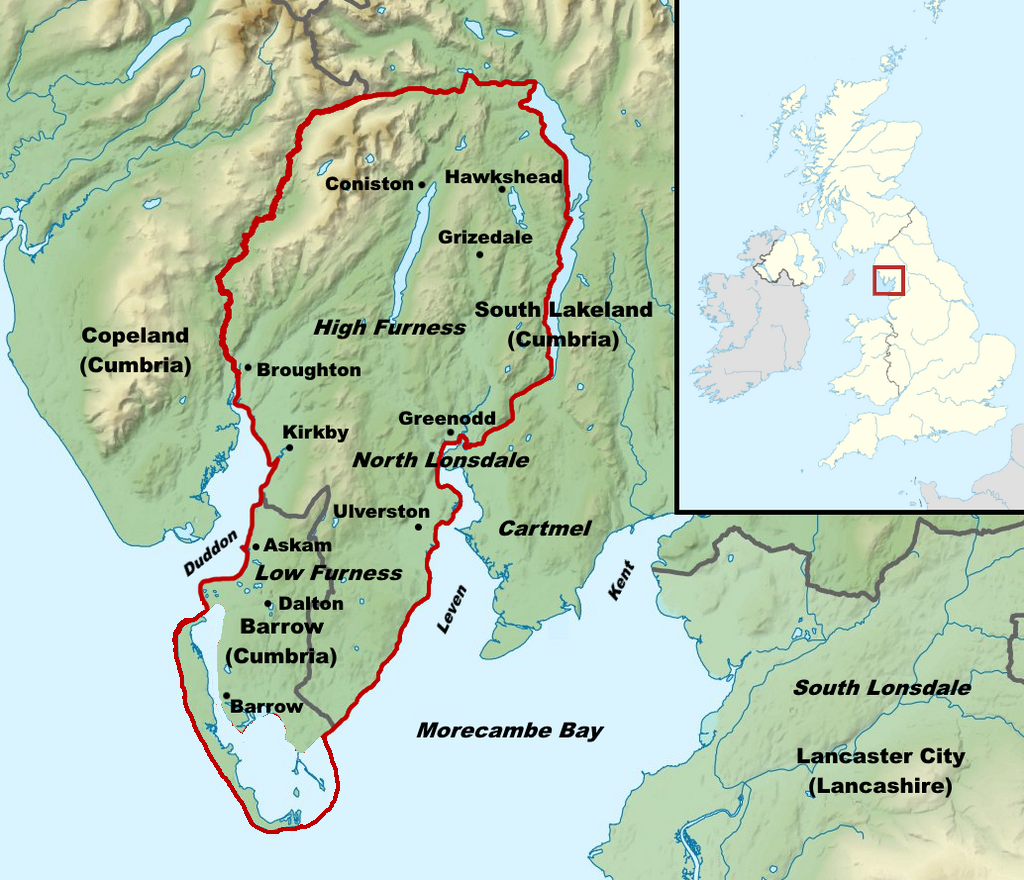
Our research focuses on a specific area of Furness — from the sweep of Morecambe Bay to the heights of the fells — where our team of researchers, historians and volunteers work together to uncover and preserve local heritage. Each of us brings different skills and knowledge to build a clear picture of our area's history.
Historical Stories
Dive into our collection of local history and heritage stories — there's so much to discover
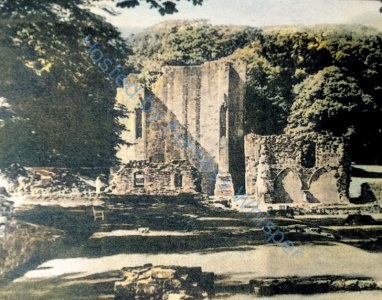
White Lady Furness Abbey Ghost Legend
Hidden-Gems
White Lady Furness Abbey isn’t just a ghost story. Her presence lingers in the stone, in the mist, and in the whispers of anyone who’s dared to vi
Read full story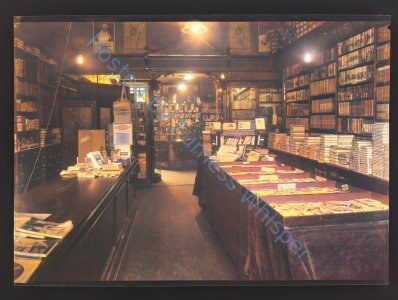
Sankey Shop’s Snap Happy Legacy (Late 19th & Early 20th Centuries)
Barrow-in-Furness
Imagine a time, the late 19th and early 20th centuries, when Barrow-in-Furness wasn’t just a town, it was a living, breathing postcard! The air, thi
Read full story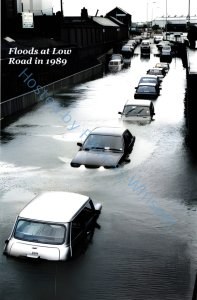
Low Road
Barrow-in-Furness
The Low Road in Barrow-in-Furness wasn’t always just a flat stretch of asphalt, grey and unremarkable under the often-leaden sky. In its prime, it w
Read full story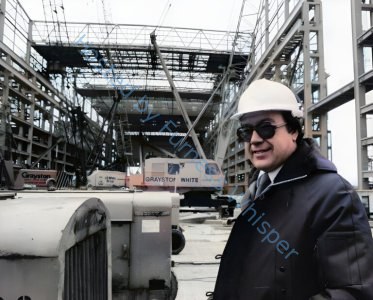
Devonshire Dock: A Maritime Legacy
Barrow-in-Furness
Imagine the clang of hammers echoing across the water, the hiss of steam rising from mighty engines, and the scent of salt air mingling with the aroma
Read full story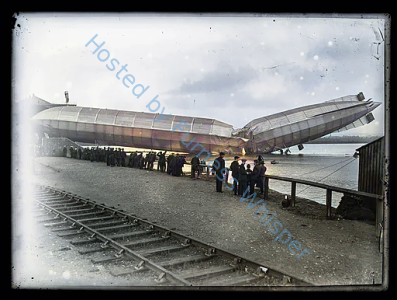
Mayfly’s Mishap: A Grounded Dream in Cavendish Dock
Barrow-in-Furness
The crisp autumn air crackled with anticipation. A crowd gathered at Cavendish Dock in Barrow-in-Furness, their breath misting in the cool air, eyes f
Read full story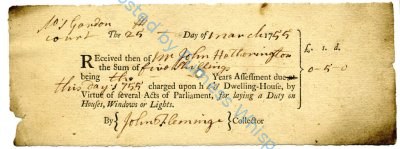
Window Tax England The Bricked-Up Rebellion
Hidden-Gems
Window Tax England sparked one of the quietest but most visible rebellions in British history—marked by bricks, darkness, and defiance. Imagine a
Read full story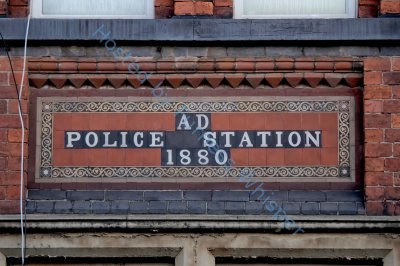
Unveiling Victorian Police Operations in Terraced Houses
Barrow-in-Furness
The biting wind whips down Rawlinson Street, whistling through the gaps in the ageing red brick terraced houses, carrying with it the salty tang of th
Read full story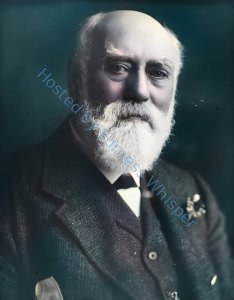
William Henry Lynn The Victorian Rockstar of Architecture
Barrow-in-Furness
William Henry Lynn (1829-1915) wasn’t just any architect; he was a Victorian-era rock star who left his mark on cities across Ireland and northern E
Read full story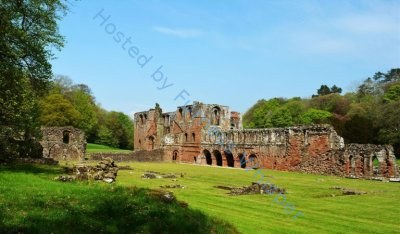
Furness Abbey: A Cistercian Powerhouse in CumbriaA Valley of Whispers
Barrow-in-Furness
Imagine standing in the valley where Furness Abbey was built, back in the year 1300. Breathe in the crisp air, scented with pine needles and damp eart
Read full story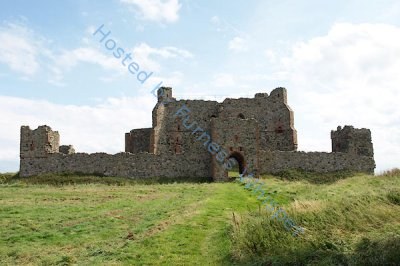
Piel Island: Where History Meets the Sea
Barrow-in-Furness
Piel Island, a tiny emerald off the coast of Cumbria, is more than just a picturesque island. It’s a place where history comes alive, where the echo
Read full story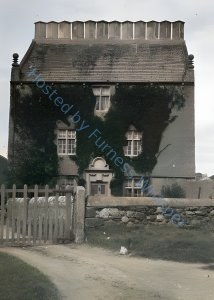
Unveiling the Enigma: Rampside Hall’s Story of Chimneys, Earthquakes, and Love
Barrow-in-Furness
Nestled amidst the rolling hills of Cumbria, England, Rampside Hall stands as a silent sentinel, its history shrouded in a veil of mystery. Imagine th
Read full story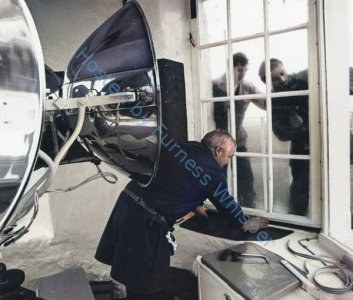
Walney Lighthouse: A Beacon Through Cumbria’s Past
Barrow-in-Furness
Standing sentinel on the southern tip of Walney Island, where the Irish Sea stretches out to meet the sky, Walney Lighthouse isn’t just a picturesqu
Read full story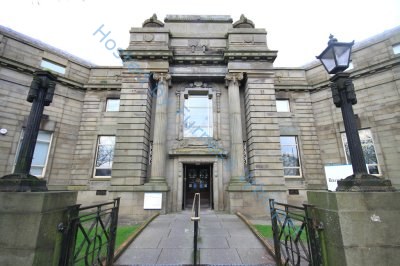
Storied Sanctuary: The True History of Barrow Library
Barrow-in-Furness
The grand building that graces Ramsden Square in Barrow-in-Furness, with its imposing columns and the warm glow of reading lamps spilling from its arc
Read full story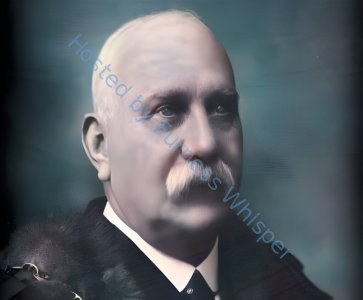
Enduring Legacy of Alfred Barrow: From School to Health Centre
Barrow-in-Furness
The biting wind whips down Rawlinson Street, whistling through the gaps in the ageing red brick terraced houses, carrying with it the salty tang of th
Read full story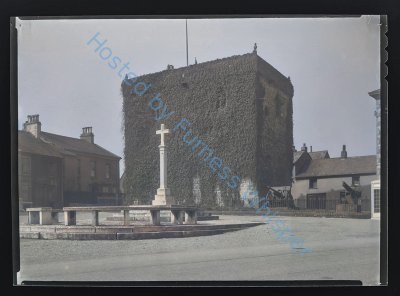
Dalton Castle: A Tower Withstanding Time
Dalton-in-Furness
Dalton Castle Cumbria is a medieval landmark that once upheld abbey justice and now invites visitors to explore centuries of history. Sunlight glints
Read full storyFurness Timeline
Travel through thousands of years of Furness history — from prehistoric times to the present day
🏞️ Prehistoric to Roman Period
- c. 4000–2500 BC (Neolithic) — Evidence of early farming and settlement on Walney Island and Low Furness; stone tools and cairns near Urswick and Coniston.
- c. 1000 BC (Bronze Age) — Burial cairns and stone circles appear across Furness Fells and Coniston.
- c. 1st–4th century AD (Roman) — Furness lies near the Roman road from Ravenglass to Watercrook (Kendal). Minor coastal forts and signal stations protect Morecambe Bay; possible outpost near Urswick.
⚔️ Early Medieval / Anglo-Saxon & Norse Period
- 7th century — Anglian settlers reach Low Furness; Christianity spreads via Lindisfarne and York missions.
- 9th century — Norse settlers from Ireland and the Isle of Man colonise Furness; Old Norse place-names emerge (e.g. "-thwaite", "-beck", "-ness").
- 10th century — Area loosely under the Kingdom of Strathclyde or Northumbria before incorporation into England.
🏰 Norman & Monastic Period
- 1086 (Domesday Book) — Records several Furness settlements: Roose, Hougenai (Walney), Hietun (Hawcoat). Dalton noted as the chief manor.
- 1123–1127 — Furness Abbey founded at Bekanesgill (later the Vale of Nightshade near Barrow) by Stephen, Count of Boulogne (later King Stephen). Initially Savigniac, soon Cistercian.
- 12th–13th centuries — The Abbey becomes one of England's richest monasteries; controls land across Furness, parts of Lancashire, and the Isle of Man.
⚒️ Early Modern Period
- 16th–17th centuries — Furness divided between Low Furness (agricultural) and High Furness (pastoral, woodland, mining).
- 1643–1651 — Civil War skirmishes occur near Dalton and Ulverston.
- 1660s–1700s — Ulverston expands as a market town and maritime trading port.
🚂 Industrial & Victorian Expansion
- 1839 — Henry Schneider arrives, prospecting iron ore in Low Furness.
- 1846 — Furness Railway opens between Dalton and Kirkby; later extended to Barrow and Ulverston.
- 1850s–1870s — Massive iron ore extraction at Lindal, Askam, and Stank.
⚓ 20th Century — War, Industry & Community
- 1901 — First British submarine (Holland 1) built in Barrow.
- 1914–1918 (WWI) — Furness shipyards produce Royal Navy vessels; Dalton, Ulverston support war industries.
- 1939–1945 (WWII) — Barrow and Ulverston contribute to the war effort; shipyard bombed during air raids.
🏙️ 21st Century — Modern Furness
- 1984 — Furness General Hospital opens.
- 2000s — Focus on defence (BAE Systems Submarines) and tourism in Coniston, Ulverston, and the Furness Fells.
- 2023 (1 April) — Cumbria abolished; Furness becomes part of the new Westmorland and Furness Unitary Authority.
Our Research Focus
Our research concentrates on specific locations and periods within our area. We work together, combining our different skills and expertise — and we warmly encourage community input and feedback. There are no right or wrong answers when it comes to sharing local knowledge and memories; every contribution enriches our understanding.
Share Your Knowledge
We welcome stories, memories, and information from local residents. Your personal experiences and family history are invaluable to our research — every story adds another layer to our shared heritage.
Share your Furness story with us →Community Feedback
We encourage open discussion and feedback on our research findings. Different perspectives help us build a more complete picture of our area's history — your input truly matters.
Collaborative Research
Our team approach ensures that research is thorough and well-rounded. We combine archival work, fieldwork, and community knowledge to uncover the full story.