Furness Local History
Journey through the rich heritage and captivating stories of our region
Our Research Area
Research Area Map
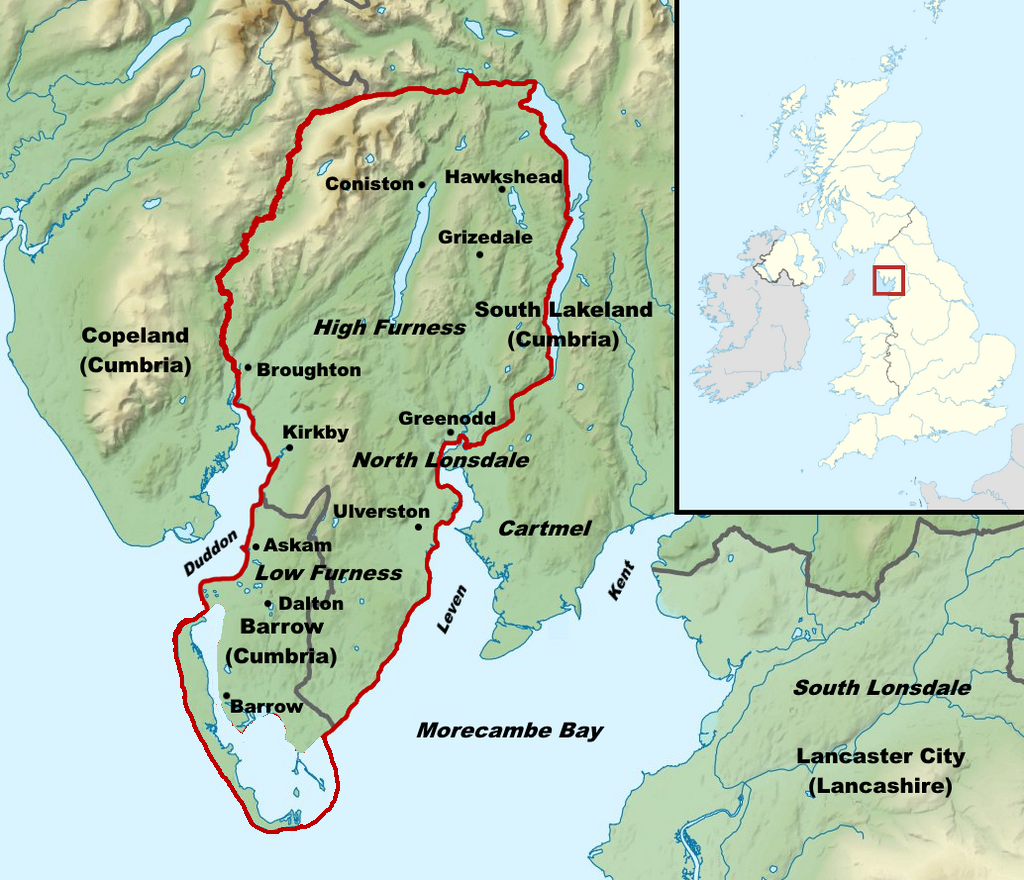
Our research focuses on a specific area of Furness — from the sweep of Morecambe Bay to the heights of the fells — where our team of researchers, historians and volunteers work together to uncover and preserve local heritage. Each of us brings different skills and knowledge to build a clear picture of our area's history.
Historical Stories
Dive into our collection of local history and heritage stories — there's so much to discover
Washday Wizards of Barrow: Unravelling the Story of Lakeland Laundries (1890s-1970s)
Barrow-in-Furness
Ah, Barrow-in-Furness! A town known for its steely spirit and, believe it or not, sparkling clean clothes! Imagine, if you will, the clatter of horse-
Read full story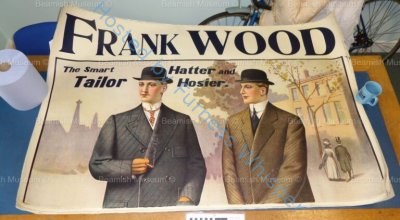
Frank Wood’s Hat Shop History
Barrow-in-Furness
Imagine strolling down the cobbled streets of Barrow-in-Furness in the late 1800s. Among the horse-drawn carriages and shopkeepers, one name stood out
Read full story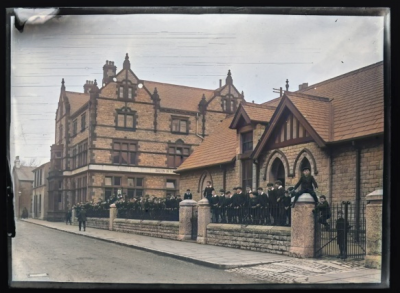
Carnegie Library and Board School
Dalton-in-Furness
Nestled in the heart of Dalton-in-Furness, the Dalton Carnegie Library stands as a beacon of learning and heritage. Its sturdy limestone exterior, acc
Read full story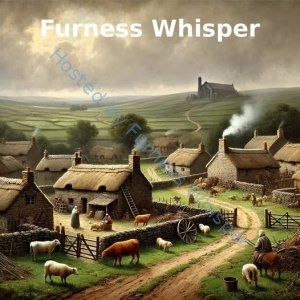
Was Sellergarth Really a Village or Just an Area Name?
Hidden-Gems
Sellergarth is a name that often appears in historical texts, particularly in discussions about Sellergarth Furness history and the wider Furness regi
Read full story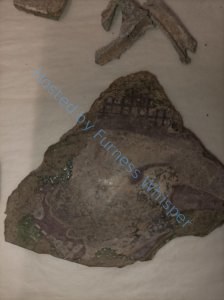
This Is What You’ve All Been Waiting For: The Rediscovery of Furness Abbey’s Stained Glass
Barrow-in-Furness
This Is What You’ve All Been Waiting For: The Rediscovery of Furness Abbey’s Stained Glass. A hidden treasure has been unearthed, and it’s even
Read full story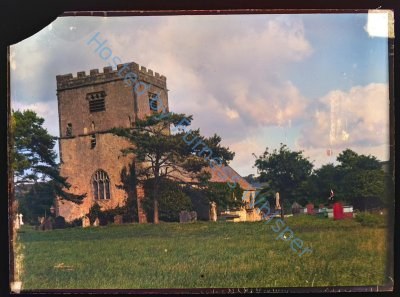
St Mary and St Michael’s Church History
Urswick
Nestled in the scenic heart of Cumbria, St Mary and St Michael’s Church is more than just a place of worship; it is a living testament to the rich h
Read full story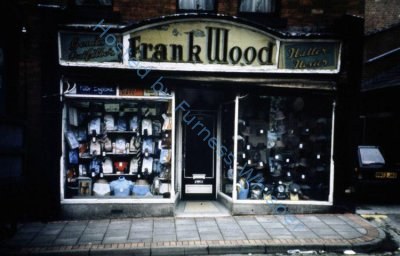
Frank Wood’s Hat Shop Mystery
Barrow-in-Furness
Imagine strolling down the cobbled streets of Barrow-in-Furness in the late 1800s, the crisp sea air whipping through your hair and the cry of gulls e
Read full story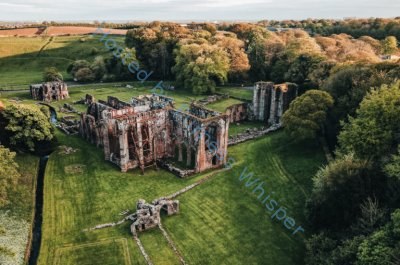
The Fateful Hand of Dissolution: Southwell, Holcroft, and Furness Abbey’s Lost Legacy Part 3
Barrow-in-Furness
In our quest to uncover the fate of Furness Abbey stained glass, and perhaps even find surviving pieces crafted by the master glazier John Petty, we m
Read full story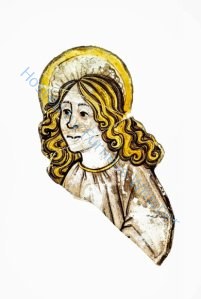
Following the Threads: John Petty’s Will and the Search for Furness Abbey Stained Glass (Part 2)
Barrow-in-Furness
Imagine the clang of a hammer against a chisel, the scent of beeswax and lead thick in the air, and shards of coloured glass catching the light of a m
Read full story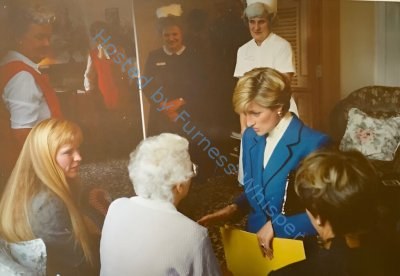
St Mary’s Hospice & My Family Legacy
Ulverston
The muted light of a winter’s day filtered through the windows of the St Mary’s Hospice café, casting soft shadows across the room. The gentle hu
Read full story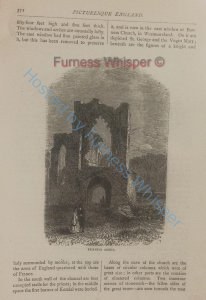
Furness Abbey’s Lost Legacy: Could Two Churches Hold the Key? part 1
Barrow-in-Furness
The mystery of Furness Abbey stained glass continues to intrigue both historians and locals. As we search for clues beyond the abbey’s ruins, we ask
Read full story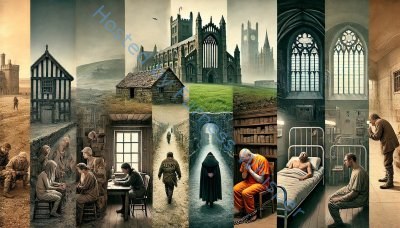
A Dark History: Mental Health Treatment in Furness – Unearthing the Shadows
Hidden-Gems
The story of mental health in Furness is a haunting symphony of suffering and resilience, etched against the dramatic backdrop of the Cumbrian landsca
Read full story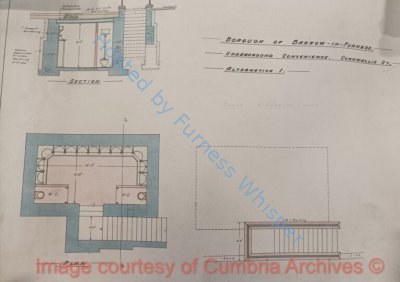
Beneath the Streets: Where Victorian Ladies Gathered
Barrow-in-Furness
The Victorian lavatory Barrow, hidden beneath the streets of Barrow-in-Furness, was once a social hub for local women. Built around 1889 (give or take
Read full story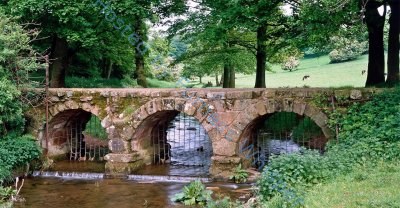
Bow Bridge: A Medieval Marvel
Barrow-in-Furness
Trek with us where a seemingly unremarkable bridge murmurs secrets of an age long past. Snug amidst Cumbria’s rolling hills and chuckling brooks sit
Read full story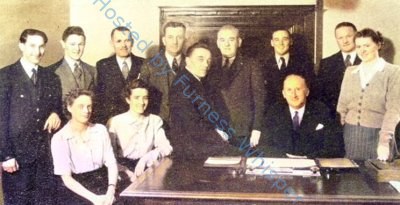
Cash & Clunkers: Unveiling Martins Bank in Barrow (1865-2001)
Barrow-in-Furness
Barrow-in-Furness: a town where ships ruled the waves, the salty air stung your cheeks, and the clang of hammer on steel rang through the streets like
Read full storyFurness Timeline
Travel through thousands of years of Furness history — from prehistoric times to the present day
🏞️ Prehistoric to Roman Period
- c. 4000–2500 BC (Neolithic) — Evidence of early farming and settlement on Walney Island and Low Furness; stone tools and cairns near Urswick and Coniston.
- c. 1000 BC (Bronze Age) — Burial cairns and stone circles appear across Furness Fells and Coniston.
- c. 1st–4th century AD (Roman) — Furness lies near the Roman road from Ravenglass to Watercrook (Kendal). Minor coastal forts and signal stations protect Morecambe Bay; possible outpost near Urswick.
⚔️ Early Medieval / Anglo-Saxon & Norse Period
- 7th century — Anglian settlers reach Low Furness; Christianity spreads via Lindisfarne and York missions.
- 9th century — Norse settlers from Ireland and the Isle of Man colonise Furness; Old Norse place-names emerge (e.g. "-thwaite", "-beck", "-ness").
- 10th century — Area loosely under the Kingdom of Strathclyde or Northumbria before incorporation into England.
🏰 Norman & Monastic Period
- 1086 (Domesday Book) — Records several Furness settlements: Roose, Hougenai (Walney), Hietun (Hawcoat). Dalton noted as the chief manor.
- 1123–1127 — Furness Abbey founded at Bekanesgill (later the Vale of Nightshade near Barrow) by Stephen, Count of Boulogne (later King Stephen). Initially Savigniac, soon Cistercian.
- 12th–13th centuries — The Abbey becomes one of England's richest monasteries; controls land across Furness, parts of Lancashire, and the Isle of Man.
⚒️ Early Modern Period
- 16th–17th centuries — Furness divided between Low Furness (agricultural) and High Furness (pastoral, woodland, mining).
- 1643–1651 — Civil War skirmishes occur near Dalton and Ulverston.
- 1660s–1700s — Ulverston expands as a market town and maritime trading port.
🚂 Industrial & Victorian Expansion
- 1839 — Henry Schneider arrives, prospecting iron ore in Low Furness.
- 1846 — Furness Railway opens between Dalton and Kirkby; later extended to Barrow and Ulverston.
- 1850s–1870s — Massive iron ore extraction at Lindal, Askam, and Stank.
⚓ 20th Century — War, Industry & Community
- 1901 — First British submarine (Holland 1) built in Barrow.
- 1914–1918 (WWI) — Furness shipyards produce Royal Navy vessels; Dalton, Ulverston support war industries.
- 1939–1945 (WWII) — Barrow and Ulverston contribute to the war effort; shipyard bombed during air raids.
🏙️ 21st Century — Modern Furness
- 1984 — Furness General Hospital opens.
- 2000s — Focus on defence (BAE Systems Submarines) and tourism in Coniston, Ulverston, and the Furness Fells.
- 2023 (1 April) — Cumbria abolished; Furness becomes part of the new Westmorland and Furness Unitary Authority.
Our Research Focus
Our research concentrates on specific locations and periods within our area. We work together, combining our different skills and expertise — and we warmly encourage community input and feedback. There are no right or wrong answers when it comes to sharing local knowledge and memories; every contribution enriches our understanding.
Share Your Knowledge
We welcome stories, memories, and information from local residents. Your personal experiences and family history are invaluable to our research — every story adds another layer to our shared heritage.
Share your Furness story with us →Community Feedback
We encourage open discussion and feedback on our research findings. Different perspectives help us build a more complete picture of our area's history — your input truly matters.
Collaborative Research
Our team approach ensures that research is thorough and well-rounded. We combine archival work, fieldwork, and community knowledge to uncover the full story.