Furness Local History
Journey through the rich heritage and captivating stories of our region
Our Research Area
Research Area Map
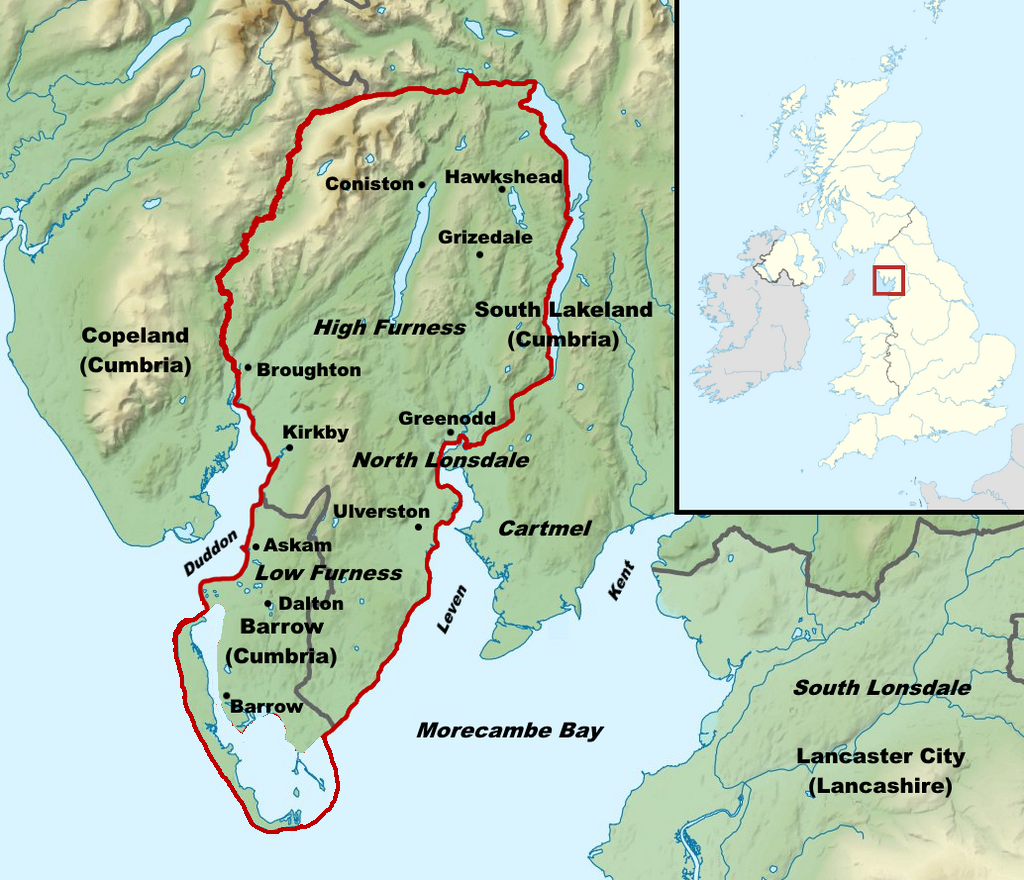
Our research focuses on a specific area of Furness — from the sweep of Morecambe Bay to the heights of the fells — where our team of researchers, historians and volunteers work together to uncover and preserve local heritage. Each of us brings different skills and knowledge to build a clear picture of our area's history.
Historical Stories
Dive into our collection of local history and heritage stories — there's so much to discover
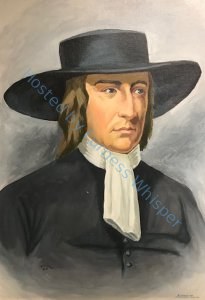
A Rude Awakening in North Scale
Barrow-in-Furness
The icy spray of the North Sea stung George Fox North Scale as he stepped onto the rickety dock. Visions of a welcoming congregation evaporated like m
Read full story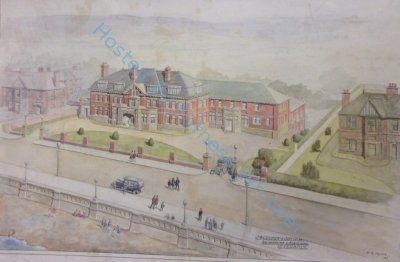
Walney-on-Sea: The Sunken Dream of a Seaside Shangri-La
Barrow-in-Furness
Magine the sea breeze tousling your hair as a colossal steamship, a bellowing iron leviathan, slices through the emerald waves towards Walney Island.
Read full story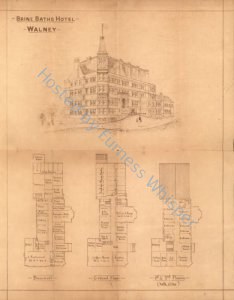
Dive into History: The Great Salt Bath Hotel That Never Floated
Barrow-in-Furness
Aching muscles got you drowning your sorrows in 1924? Forget popping pills (ibuprofen wasn’t even a glimmer in a scientist’s eye!). Back then, the
Read full story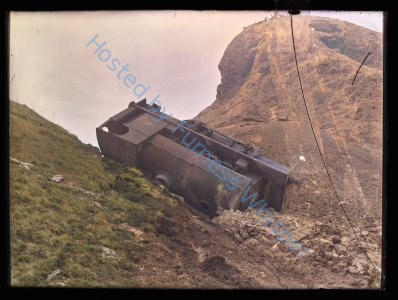
Unveiling the Forgotten Tragedy of the 1938 Slag Bank Crash
Barrow-in-Furness
The wind whispers secrets through the skeletal remains of the Barrow slag heap, its cold fingers brushing the earth. These silent giants of industrial
Read full story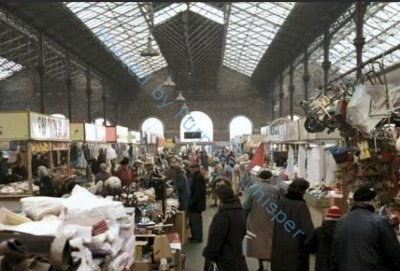
The Hidden Stories of Barrow Market
Barrow-in-Furness
Have you ever wandered through Barrow Market and thought, “What stories could these walls tell?” If you have, you’re not alone. There’s someth
Read full story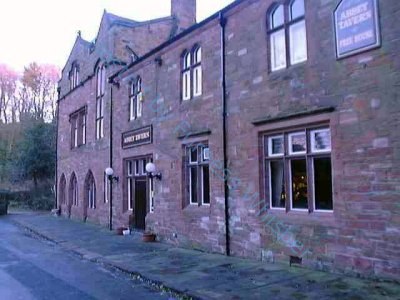
Abbey Tavern: A Tale of Ups, Downs, and a Determined Booking Office
Barrow-in-Furness
Step back in time. The brick and mortar stand silent, whispering stories of a town’s evolution. The Abbey Tavern, once a bustling hub, holds within
Read full story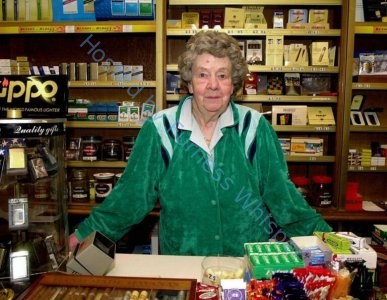
The Bon Bon Bonanza: A Hilariously Sugary Stroll Down Memory
Barrow-in-Furness
Ah, Barrow-in-Furness! A town known for its shipyards and steelworks, the clang of metal against metal echoing through the streets. But amidst the ind
Read full story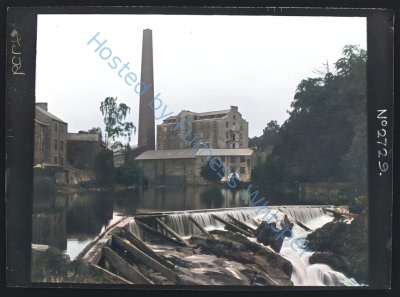
Curious Case of the Dolly Blue Works: From Laundry Disasters to a Bright Blunder (Early 1900s – 1981)
Backbarrow
Imagine a time before washing machines, when laundry day felt like wrestling a grizzly bear in a mud puddle. The air thick with the scent of lye soap,
Read full story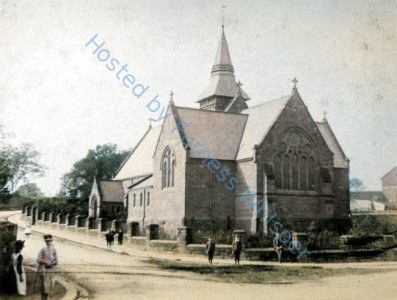
St Peter’s Church Lindal Local History Gem
Lindal-in-Furness
Nestled in the charming village of Lindal-in-Furness, St Peter’s Church Lindal stands as a striking example of Gothic Revival architecture and a cor
Read full story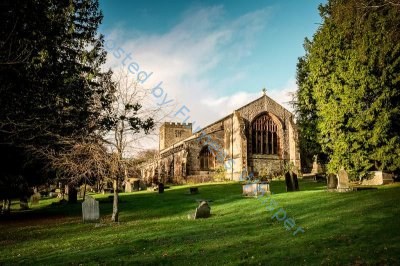
St Mary’s Church – Ulverston Church History
Ulverston
St Mary’s, the Anglican Parish Church of Ulverston, stands as a testament to centuries of faith and community in this charming Cumbrian town. With r
Read full story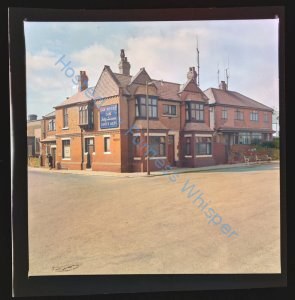
Bay Horse: A Pub Odyssey Through Time (and Spice!)
Barrow-in-Furness
The Bay Horse on Hawcoat Lane isn’t your average pub. This Barrow-in-Furness legend boasts a history as rich and satisfying as a perfectly pulled pi
Read full story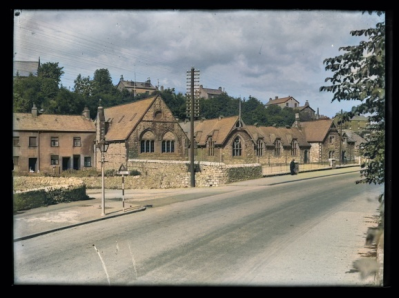
The Chameleon of Dalton-in-Furness: From Schoolyard Squabbles to Serviced Sleeps!
Dalton-in-Furness
Chequers Lodge Dalton-in-Furness has lived many lives, from a historic schoolhouse to modern serviced accommodation. This charming Cumbrian town has a
Read full story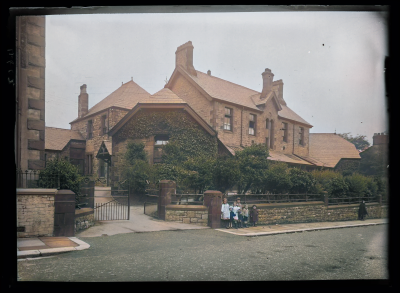
Ulverston Cottage Hospital: 98 Years of Care
Ulverston
Ever wondered what healthcare was like in Ulverston way back when? Well, buckle up for a history lesson! The town had its very own hospital, the Ulver
Read full story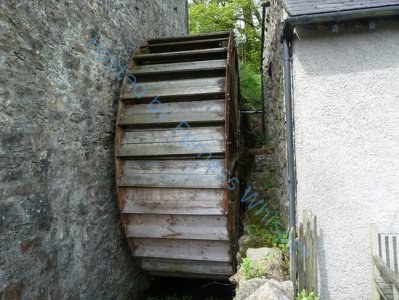
Gleaston Water Mill: Gears, Grinds, and a Splash of History!
Gleaston
Tucked into the lush, rolling countryside of South Cumbria, Gleaston Water Mill Cumbria stands as a stoic guardian of Britain’s rural heritage. Its
Read full story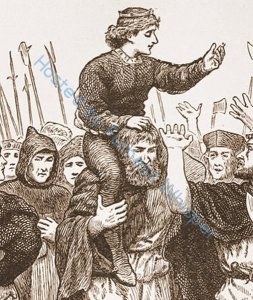
A Fake Prince Lands in Furness History Gets Weird in 1487
Hidden-Gems
Lambert Simnel in Furness: A Pretender’s Gamble Imagine, if you will, the year is 1487. England, still reeling from the Wars of the Roses—a rig
Read full storyFurness Timeline
Travel through thousands of years of Furness history — from prehistoric times to the present day
🏞️ Prehistoric to Roman Period
- c. 4000–2500 BC (Neolithic) — Evidence of early farming and settlement on Walney Island and Low Furness; stone tools and cairns near Urswick and Coniston.
- c. 1000 BC (Bronze Age) — Burial cairns and stone circles appear across Furness Fells and Coniston.
- c. 1st–4th century AD (Roman) — Furness lies near the Roman road from Ravenglass to Watercrook (Kendal). Minor coastal forts and signal stations protect Morecambe Bay; possible outpost near Urswick.
⚔️ Early Medieval / Anglo-Saxon & Norse Period
- 7th century — Anglian settlers reach Low Furness; Christianity spreads via Lindisfarne and York missions.
- 9th century — Norse settlers from Ireland and the Isle of Man colonise Furness; Old Norse place-names emerge (e.g. "-thwaite", "-beck", "-ness").
- 10th century — Area loosely under the Kingdom of Strathclyde or Northumbria before incorporation into England.
🏰 Norman & Monastic Period
- 1086 (Domesday Book) — Records several Furness settlements: Roose, Hougenai (Walney), Hietun (Hawcoat). Dalton noted as the chief manor.
- 1123–1127 — Furness Abbey founded at Bekanesgill (later the Vale of Nightshade near Barrow) by Stephen, Count of Boulogne (later King Stephen). Initially Savigniac, soon Cistercian.
- 12th–13th centuries — The Abbey becomes one of England's richest monasteries; controls land across Furness, parts of Lancashire, and the Isle of Man.
⚒️ Early Modern Period
- 16th–17th centuries — Furness divided between Low Furness (agricultural) and High Furness (pastoral, woodland, mining).
- 1643–1651 — Civil War skirmishes occur near Dalton and Ulverston.
- 1660s–1700s — Ulverston expands as a market town and maritime trading port.
🚂 Industrial & Victorian Expansion
- 1839 — Henry Schneider arrives, prospecting iron ore in Low Furness.
- 1846 — Furness Railway opens between Dalton and Kirkby; later extended to Barrow and Ulverston.
- 1850s–1870s — Massive iron ore extraction at Lindal, Askam, and Stank.
⚓ 20th Century — War, Industry & Community
- 1901 — First British submarine (Holland 1) built in Barrow.
- 1914–1918 (WWI) — Furness shipyards produce Royal Navy vessels; Dalton, Ulverston support war industries.
- 1939–1945 (WWII) — Barrow and Ulverston contribute to the war effort; shipyard bombed during air raids.
🏙️ 21st Century — Modern Furness
- 1984 — Furness General Hospital opens.
- 2000s — Focus on defence (BAE Systems Submarines) and tourism in Coniston, Ulverston, and the Furness Fells.
- 2023 (1 April) — Cumbria abolished; Furness becomes part of the new Westmorland and Furness Unitary Authority.
Our Research Focus
Our research concentrates on specific locations and periods within our area. We work together, combining our different skills and expertise — and we warmly encourage community input and feedback. There are no right or wrong answers when it comes to sharing local knowledge and memories; every contribution enriches our understanding.
Share Your Knowledge
We welcome stories, memories, and information from local residents. Your personal experiences and family history are invaluable to our research — every story adds another layer to our shared heritage.
Share your Furness story with us →Community Feedback
We encourage open discussion and feedback on our research findings. Different perspectives help us build a more complete picture of our area's history — your input truly matters.
Collaborative Research
Our team approach ensures that research is thorough and well-rounded. We combine archival work, fieldwork, and community knowledge to uncover the full story.