Furness Local History
Journey through the rich heritage and captivating stories of our region
Our Research Area
Research Area Map
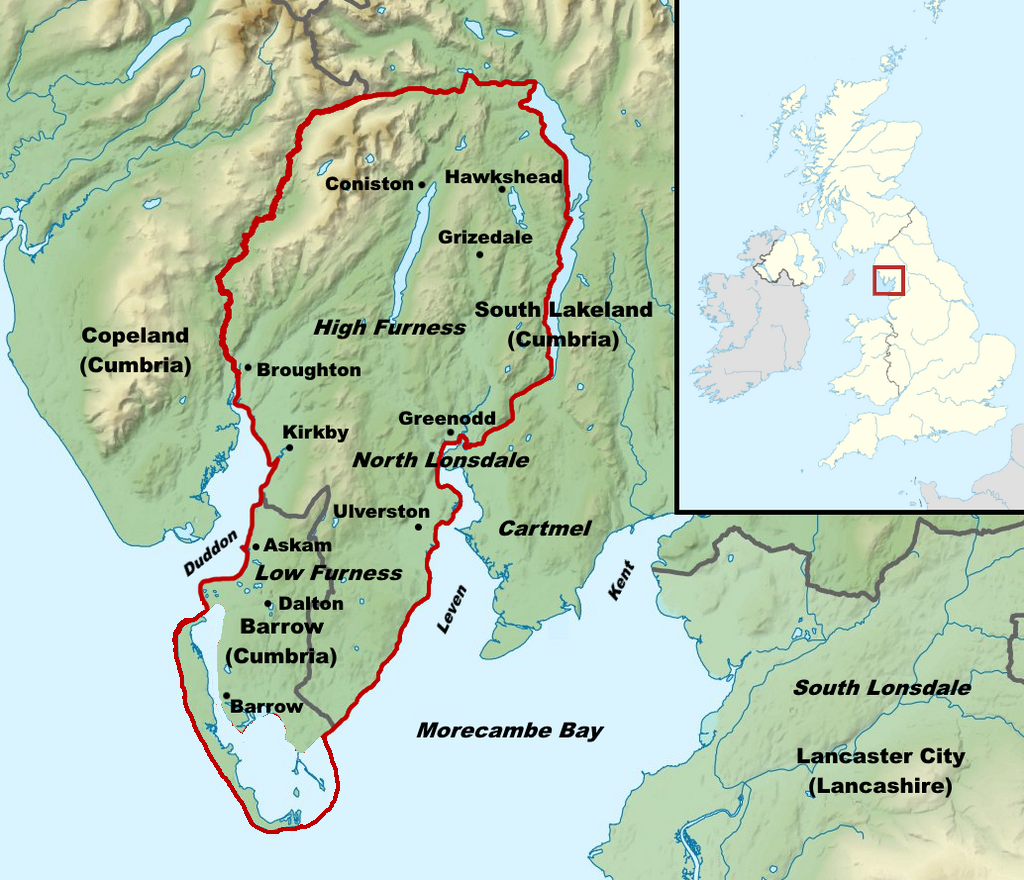
Our research focuses on a specific area of Furness — from the sweep of Morecambe Bay to the heights of the fells — where our team of researchers, historians and volunteers work together to uncover and preserve local heritage. Each of us brings different skills and knowledge to build a clear picture of our area's history.
Historical Stories
Dive into our collection of local history and heritage stories — there's so much to discover
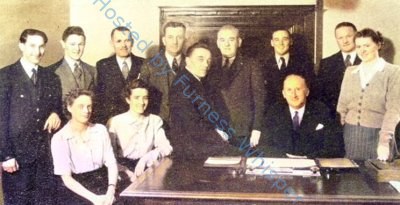
Cash & Clunkers: Unveiling Martins Bank in Barrow (1865-2001)
Barrow-in-Furness
Barrow-in-Furness: a town where ships ruled the waves, the salty air stung your cheeks, and the clang of hammer on steel rang through the streets like
Read full story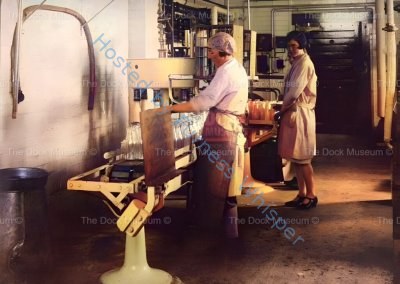
The Curdled Conspiracy: Furness Whisper Churns Up a Mystery
Barrow-in-Furness
Forget Sherlock Holmes, there’s a new detective in town – and this time, the case reeks of sour milk, muttered whispers, and a splash of rebellion
Read full story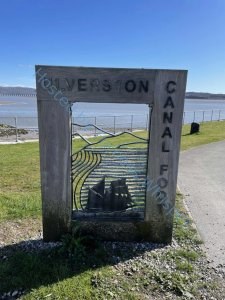
Ulverston Canal Foot Stories & History
Ulverston
Nestled at the tip of the Ulverston Canal, where Cumbria meets the vast sprawl of Morecambe Bay, lies Ulverston Canal Foot. This little corner of Engl
Read full story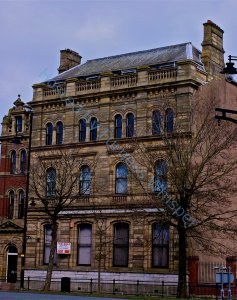
Whisper of Fortunes Past: The Curious Case of Barrow’s Former Bank
Barrow-in-Furness
Unassuming yet commanding, the former National Westminster Bank Barrow stands at the corner of Abbey Road and Duke Street in Barrow-in-Furness, its we
Read full story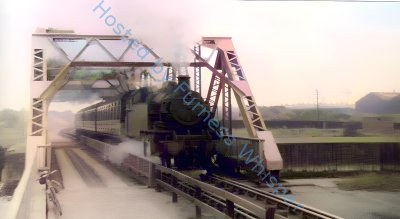
Barrow-in-Furness Train Bridges Legacy
Barrow-in-Furness
Chugga-chugga! Climb aboard for a whirlwind tour of Barrow-in-Furness train bridges — the most dramatic dockside divas! Steel titans that once groan
Read full story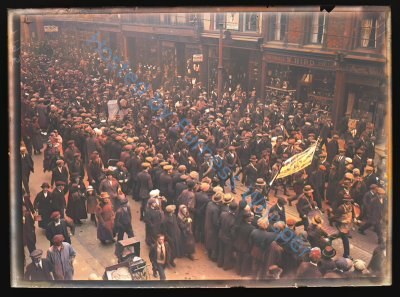
November Blues Had Britain Singing the Walkin’ Song: Unemployed on the March!
Barrow-in-Furness
Britain in 1922 weren’t exactly a knees-up. The factories that once roared with industry stood cold and quiet, their great iron bellies empty. Where
Read full story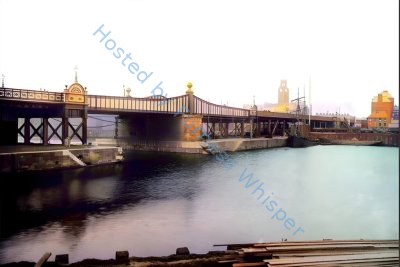
Michaelson Road Bridge: From Swinging Spectacular to 90-Degree Salute
Barrow-in-Furness
Imagine a bridge that doesn’t just stand firm but moves with purpose, patiently waiting as towering ships glide beneath it. Back in 1884, the Michae
Read full story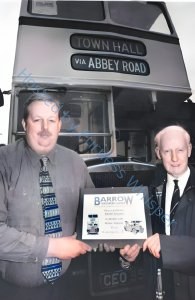
Iron Horses and the Rise of the White Knight: A Journey Through Barrow’s Transport Histor
Barrow-in-Furness
In the heart of England’s industrial revolution, nestled amidst the towering shipyards and clangorous foundries of Barrow-in-Furness, a quieter revo
Read full story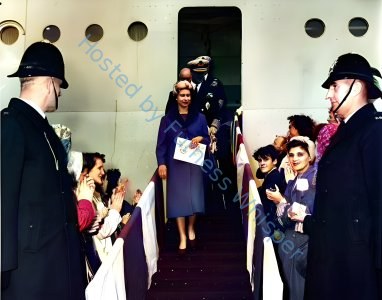
More Than Just a Wave: A Look Back at Queen Elizabeth II’s Memorable Visits to Barrow-in-Furness
Barrow-in-Furness
Did you know Queen Elizabeth II Barrow-in-Furness had a special connection with Barrow-in-Furness? Throughout her reign, she visited this Cumbrian tow
Read full story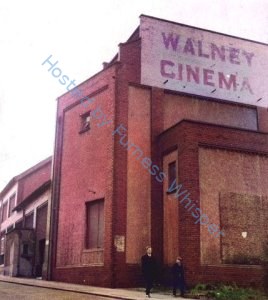
From Munitions Boom to Flickering Memories: The Story of the Walney Cinema (1915-1985)
Barrow-in-Furness
The year is 1915. The air on Walney Island hums with the relentless clang of metal and the rhythmic thud of machinery. The Walney Cinema history begin
Read full story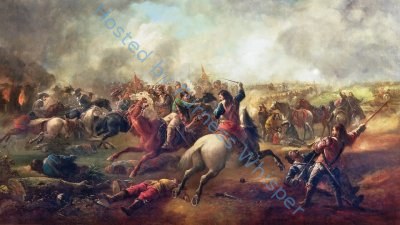
Drums of War and Whispers of Smoke: Sir Henry Slingsby Unveils the Scars of North Scale
Barrow-in-Furness
The year is 1644. England bleeds from the wounds of civil war. We stand alongside Sir Henry Slingsby, a Royalist knight, as he cracks open his leather
Read full story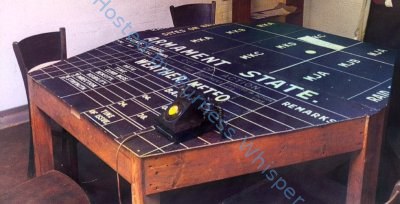
Echoes Beneath: Barrow’s Lost Nuclear Bunker
Barrow-in-Furness
The wind murmurs secrets through the ancient trees of Furness Abbey, rustling the leaves like hushed voices from the past. Yet beneath the soft earth,
Read full story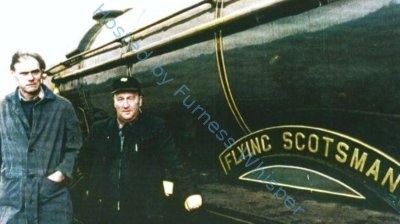
Steam, Steel and Salvation: The Day Barrow Revived the Flying Scotsman
Barrow-in-Furness
A Groaning Giant Steams into Town Imagine the scene: Barrow-in-Furness, 1977. The legendary Flying Scotsman arrives as the docks are a symphony of cl
Read full story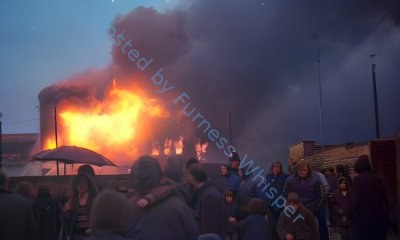
The Inferno that Consumed the Steam Corn Mill
Barrow-in-Furness
November 1972. A scream tears through the frigid Barrow-in-Furness air, a sharp, piercing sound that cuts through the biting cold. It’s not the wail
Read full story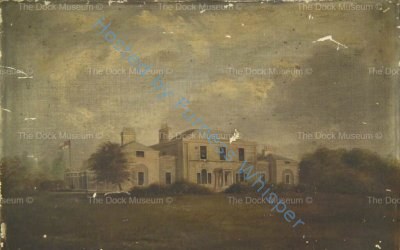
Furness Timeline
Travel through thousands of years of Furness history — from prehistoric times to the present day
🏞️ Prehistoric to Roman Period
- c. 4000–2500 BC (Neolithic) — Evidence of early farming and settlement on Walney Island and Low Furness; stone tools and cairns near Urswick and Coniston.
- c. 1000 BC (Bronze Age) — Burial cairns and stone circles appear across Furness Fells and Coniston.
- c. 1st–4th century AD (Roman) — Furness lies near the Roman road from Ravenglass to Watercrook (Kendal). Minor coastal forts and signal stations protect Morecambe Bay; possible outpost near Urswick.
⚔️ Early Medieval / Anglo-Saxon & Norse Period
- 7th century — Anglian settlers reach Low Furness; Christianity spreads via Lindisfarne and York missions.
- 9th century — Norse settlers from Ireland and the Isle of Man colonise Furness; Old Norse place-names emerge (e.g. "-thwaite", "-beck", "-ness").
- 10th century — Area loosely under the Kingdom of Strathclyde or Northumbria before incorporation into England.
🏰 Norman & Monastic Period
- 1086 (Domesday Book) — Records several Furness settlements: Roose, Hougenai (Walney), Hietun (Hawcoat). Dalton noted as the chief manor.
- 1123–1127 — Furness Abbey founded at Bekanesgill (later the Vale of Nightshade near Barrow) by Stephen, Count of Boulogne (later King Stephen). Initially Savigniac, soon Cistercian.
- 12th–13th centuries — The Abbey becomes one of England's richest monasteries; controls land across Furness, parts of Lancashire, and the Isle of Man.
⚒️ Early Modern Period
- 16th–17th centuries — Furness divided between Low Furness (agricultural) and High Furness (pastoral, woodland, mining).
- 1643–1651 — Civil War skirmishes occur near Dalton and Ulverston.
- 1660s–1700s — Ulverston expands as a market town and maritime trading port.
🚂 Industrial & Victorian Expansion
- 1839 — Henry Schneider arrives, prospecting iron ore in Low Furness.
- 1846 — Furness Railway opens between Dalton and Kirkby; later extended to Barrow and Ulverston.
- 1850s–1870s — Massive iron ore extraction at Lindal, Askam, and Stank.
⚓ 20th Century — War, Industry & Community
- 1901 — First British submarine (Holland 1) built in Barrow.
- 1914–1918 (WWI) — Furness shipyards produce Royal Navy vessels; Dalton, Ulverston support war industries.
- 1939–1945 (WWII) — Barrow and Ulverston contribute to the war effort; shipyard bombed during air raids.
🏙️ 21st Century — Modern Furness
- 1984 — Furness General Hospital opens.
- 2000s — Focus on defence (BAE Systems Submarines) and tourism in Coniston, Ulverston, and the Furness Fells.
- 2023 (1 April) — Cumbria abolished; Furness becomes part of the new Westmorland and Furness Unitary Authority.
Our Research Focus
Our research concentrates on specific locations and periods within our area. We work together, combining our different skills and expertise — and we warmly encourage community input and feedback. There are no right or wrong answers when it comes to sharing local knowledge and memories; every contribution enriches our understanding.
Share Your Knowledge
We welcome stories, memories, and information from local residents. Your personal experiences and family history are invaluable to our research — every story adds another layer to our shared heritage.
Share your Furness story with us →Community Feedback
We encourage open discussion and feedback on our research findings. Different perspectives help us build a more complete picture of our area's history — your input truly matters.
Collaborative Research
Our team approach ensures that research is thorough and well-rounded. We combine archival work, fieldwork, and community knowledge to uncover the full story.